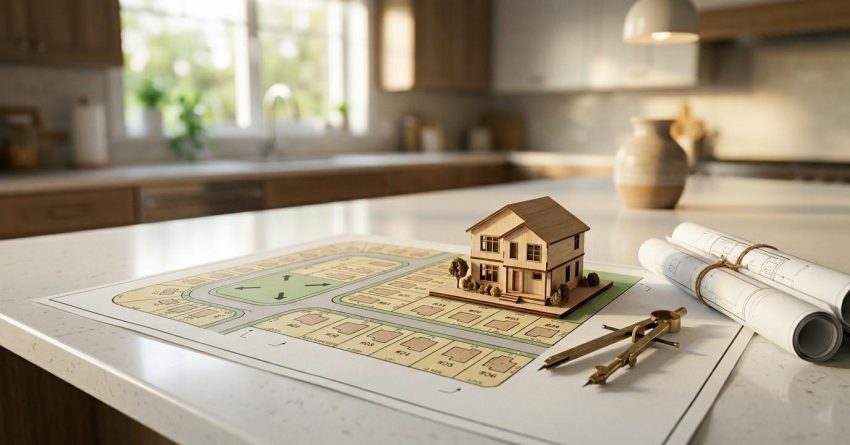
Zoning laws determine what you can build, modify, or operate on your property — and most homeowners only discover these rules when a project is already underway. Understanding your property’s zoning designation before you plan any improvement, addition, or land-use change can save you significant time, money, and legal complications.
Zoning affects more than just new construction. It governs setbacks, building heights, accessory structures, home-based businesses, and even landscaping in some jurisdictions.
This guide explains how residential zoning works, what the most common classifications mean, how to find your property’s designation, and when zoning rules directly affect your renovation and improvement plans.
What Is Zoning and Why Does It Matter to Homeowners?
Zoning is a system of land-use regulation that divides a municipality or county into designated districts, each with specific rules about how land and structures within that district can be used. Local governments — typically city or county planning departments — create and enforce these rules through zoning ordinances.
For homeowners, zoning determines what types of structures are allowed on a property, how large they can be, how close they can sit to property lines, and what activities can legally take place on the land. A homeowner who wants to add a second unit, build a workshop, or convert a garage into living space must first confirm that the property’s zoning classification permits that use.
Zoning also affects neighbors. The rules that restrict what you can do on your property are the same rules that protect you from incompatible development next door. Understanding zoning gives homeowners both a framework for planning their own projects and a tool for participating in local land-use decisions.
How Zoning Classifications Are Assigned
Local planning departments assign zoning designations based on a community’s general plan or comprehensive land-use plan. These designations are recorded on official zoning maps and are tied to specific parcel numbers. When a property changes ownership, the zoning designation stays with the land — not the owner. Buyers inherit whatever classification the parcel carries, along with all associated restrictions and permissions.
Zoning rules directly shape what improvements are possible on your property — our home improvement guide covers how these regulations connect to renovation planning, permits, and long-term property decisions.
Common Residential Zoning Categories Explained
Residential zoning is not a single category. Most municipalities use a tiered system that distinguishes between different densities and types of residential use. Knowing which tier applies to your property tells you immediately what is and is not permitted.
Single-Family Residential Zones (R-1)
R-1 zoning — or its local equivalent — is the most common residential designation in suburban and low-density areas. It permits one single-family dwelling per lot and typically restricts multi-family structures, commercial activity, and high-density development. Lot size minimums, setback requirements, and building height limits are usually most restrictive in R-1 zones.
Multi-Family and Mixed-Use Zones
Higher-density residential zones — often labeled R-2, R-3, or MF — permit duplexes, triplexes, apartment buildings, or a combination of residential and commercial uses on the same parcel. Property owners in these zones often have more flexibility for accessory dwelling units and rental conversions, but face stricter parking, utility, and fire code requirements.
Agricultural and Rural Residential Zones
Properties in agricultural or rural residential zones carry unique permissions and restrictions. These designations often allow livestock, large outbuildings, and agricultural operations alongside residential use, but may impose minimum lot sizes of one acre or more. Homeowners in these zones should verify whether their intended use — including hobby farming or short-term rentals — is explicitly permitted or requires a conditional use permit.
What Zoning Laws Control on Your Property
Zoning ordinances regulate far more than building type. They establish a detailed set of development standards that govern nearly every physical aspect of how a property can be improved or used.
Setbacks, Lot Coverage, and Building Height Limits
Setbacks define the minimum distance a structure must maintain from property lines, streets, and other features. Front, rear, and side setbacks vary by zone and by structure type. Lot coverage rules limit the total percentage of a parcel that can be covered by impervious surfaces — including the home, driveway, and outbuildings. Building height limits cap how tall any structure on the lot can be, which directly affects second-story additions and rooftop modifications.
Violating any of these standards — even unintentionally — can result in stop-work orders, fines, or mandatory removal of non-compliant structures.
Accessory Dwelling Units and Outbuildings
Accessory dwelling units (ADUs) — also called in-law suites, granny flats, or backyard cottages — are subject to specific zoning rules that vary significantly by jurisdiction. Some zones permit ADUs by right, meaning no special approval is needed beyond a standard building permit. Others require a conditional use permit or restrict ADU size relative to the primary dwelling. Detached garages, sheds, and workshops are similarly regulated and must comply with setback and lot coverage standards.
Before starting any structural renovation, understanding your zoning restrictions is essential — our remodeling services team reviews local zoning requirements as part of every project scoping process to keep your work compliant and on schedule.
How to Find and Read Your Property’s Zoning Designation
Finding your property’s zoning designation is straightforward once you know where to look. Most local governments publish zoning maps online through their planning department or GIS portal. Searching your county or city name alongside “zoning map” or “parcel viewer” will typically surface the correct tool.
Once you locate your parcel, the zoning designation appears as a code — such as R-1, R-2, MF-1, or A-2. That code corresponds to a specific section of the local zoning ordinance, which is also publicly available. The ordinance text defines every permitted use, development standard, and conditional use for that zone.
If the online tools are unclear, the local planning department is the most reliable resource. Staff can confirm your designation, explain what it permits, and direct you to the correct application process for any approvals you may need. Many counties also offer pre-application meetings where homeowners can discuss a proposed project before submitting formal paperwork.
When Zoning Affects Home Improvement and Renovation Projects
Most routine maintenance and interior renovation work does not trigger zoning review. Painting, flooring replacement, appliance upgrades, and similar projects fall under building code jurisdiction rather than zoning. However, any project that changes the footprint, height, use, or density of a structure is likely to require zoning compliance verification.
Common projects that intersect with zoning include room additions, garage conversions, new detached structures, fence installations above a certain height, and the addition of a second dwelling unit. Even projects that seem minor — such as adding a covered patio or extending a driveway — may require a permit and must comply with setback and lot coverage rules.
For smaller projects that still require compliance checks — such as fence installations or shed builds — our handyman services team can confirm local setback and permit requirements before work begins.
Permits, Variances, and Zoning Appeals
A building permit confirms that a proposed project meets applicable building codes. A zoning permit or zoning clearance confirms that the project complies with land-use rules. These are separate approvals, and many projects require both.
When a proposed project does not meet current zoning standards, a homeowner can apply for a variance — a formal request for an exception to a specific rule. Variances are granted when strict application of the zoning code would cause an unnecessary hardship and when the exception would not harm neighboring properties. If a variance is denied, the homeowner can appeal to a zoning board of appeals or, in some cases, to a local court.
The permit and variance process can be complex for first-time applicants — a dedicated on the zoning permits process walks through every step, from application requirements to appeal timelines, so you know exactly what to expect.
Zoning Changes, Rezoning Requests, and What Homeowners Can Do
Zoning designations are not permanent. Local governments amend zoning maps through a formal rezoning process, which typically involves a planning commission review, public notice, and a vote by the local governing body. Homeowners can initiate a rezoning request for their own property, and they can also participate in public hearings when neighboring properties are proposed for rezoning.
Understanding when and how zoning changes occur is important for long-term property planning. A rezoning that increases permitted density near your property can affect traffic, parking, and neighborhood character. Conversely, a rezoning that expands permitted uses on your own parcel can significantly increase its development potential and market value.
Rezoning and land-use changes often affect what structures and landscaping features are permitted on a lot — our landscape services professionals stay current on local ordinances to ensure every outdoor project meets zoning standards.
Homeowners who want to participate in local zoning decisions can attend planning commission meetings, submit written comments during public comment periods, and work with neighbors to present a unified position on proposed changes.
Zoning rules shape not just what you can build today, but what your property can become over time. The sections below address how zoning connects to property value and long-term ownership planning.
How Zoning Impacts Property Value and Long-Term Planning
Zoning has a direct and measurable effect on property value. A parcel zoned for higher-density use or mixed commercial-residential activity typically commands a premium over an identically sized parcel restricted to single-family residential use. For homeowners, this means that understanding your current zoning — and the potential for rezoning — is a meaningful part of long-term financial planning.
Zoning also affects what improvements add the most value. In zones that permit ADUs, adding a second unit can generate rental income and increase resale value substantially. In zones with strict height and setback limits, the same investment in a second story may be impossible without a variance.
Restrictions in historic districts and HOA-governed communities add another layer of complexity. These areas often impose design standards on top of base zoning rules, limiting exterior modifications including rooflines, siding materials, and window styles. Adding a deck is one of the most zoning-sensitive outdoor improvements a homeowner can make — our deck building services team handles permit research, setback verification, and compliant construction from start to finish.
For homeowners in design-restricted zones, working with professionals who understand local requirements from the outset prevents costly redesigns and permit delays. Explore our window replacement options to find compliant solutions that meet both aesthetic and regulatory requirements in restricted communities.
Conclusion
Zoning is the foundational framework that governs what homeowners can build, modify, and operate on their property. Understanding your residential zoning designation — and the development standards attached to it — is essential before planning any improvement project.
Zoning rules connect directly to permits, property value, and long-term land-use decisions. Staying informed about local ordinances protects your investment and keeps your projects on track.
At Mr. Local Services, our team works with homeowners and property managers to navigate zoning requirements across every service category — from remodeling and deck building to landscaping and handyman work. Contact us today to connect with a professional who knows your local regulations.
Frequently Asked Questions
What is the difference between zoning and land use?
Zoning is the legal framework that divides land into districts with specific rules. Land use refers to the actual activity occurring on a parcel. Zoning regulates land use by defining what activities are permitted, conditional, or prohibited in each zone.
Can I run a business from my home in a residential zone?
Most residential zones permit limited home-based businesses, but with restrictions on signage, customer traffic, employees, and the type of activity. Some business types require a home occupation permit or conditional use approval before operating legally.
What happens if I violate zoning laws?
Zoning violations can result in stop-work orders, fines, and mandatory removal of non-compliant structures. In serious cases, violations can affect your ability to sell the property or obtain financing until the issue is resolved.
How do I apply for a zoning variance?
A variance application is submitted to the local zoning board or planning department. It requires documentation showing that strict application of the zoning code creates an unnecessary hardship and that the exception will not negatively impact neighboring properties.
Does zoning affect what I can build in my backyard?
Yes. Backyard structures including sheds, garages, ADUs, decks, and fences must comply with setback requirements, lot coverage limits, and height restrictions set by your zoning designation. Some structures also require a building permit before construction begins.
Can zoning laws change after I buy a property?
Yes. Local governments can rezone properties through a formal amendment process. Existing structures that were legally built under prior zoning rules are typically protected as legal nonconforming uses, but new construction must comply with current standards.
Who enforces zoning regulations in my area?
Zoning enforcement is handled by the local planning or zoning department, often through a code enforcement division. Complaints from neighbors, permit applications, and routine inspections can all trigger enforcement review of a property.