Raw land and improved lots are two very different starting points for any property purchase — and choosing the wrong one can cost you significantly more time and money than expected. Whether you are buying land to build a home, develop a rental property, or hold as an investment, understanding what each type of land includes before you buy is essential. This guide breaks down the core differences between raw land and improved lots, explains how each affects your costs and timeline, and helps you decide which option aligns with your property goals.
Knowing the distinction matters now because land prices, development costs, and zoning requirements vary widely across the USA.
This article covers definitions, cost factors, development timelines, property value impacts, and what every buyer should evaluate before making a purchase decision.
What Is Raw Land?
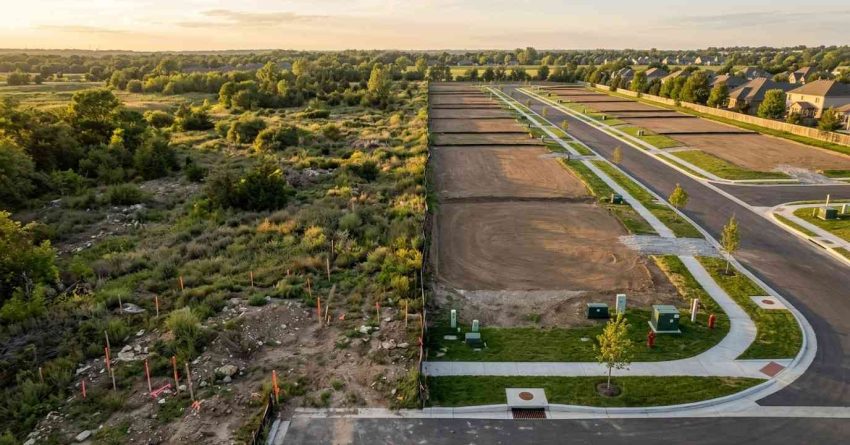
Raw land is undeveloped property in its natural state, with no infrastructure, utilities, or improvements of any kind. It has no road access, no water or sewer connections, no electricity, and no grading or site preparation. In most cases, raw land also lacks a legal address and may not yet be subdivided into individual parcels.
Buyers who purchase raw land are essentially starting from zero. Before any structure can be built, the land must be evaluated for soil quality, drainage, flood risk, and environmental conditions. Zoning approval, permits, and utility hookups must all be arranged separately, often at significant cost and over an extended timeline.
Common Characteristics of Raw Land
Raw land typically shares several defining characteristics. It is unzoned or carries agricultural or rural zoning designations. It has no existing utility connections. Access may require an easement or new road construction. Financing is more difficult to secure, and lenders often require larger down payments and charge higher interest rates for undeveloped land purchases.
Understanding raw land starts with knowing how it fits into the broader property acquisition process — our land buying guide covers every step from site evaluation to closing, helping buyers make informed decisions before committing to undeveloped property
What Is an Improved Lot?
An improved lot is a parcel of land that has been prepared for construction through the addition of infrastructure and utilities. At minimum, an improved lot typically includes road access, water and sewer connections or approved septic and well systems, electrical service, and graded terrain. In many cases, improved lots are located within established subdivisions and already carry residential zoning approval.
The term “improved” does not mean a structure has been built. It simply means the land has been made ready for building. This distinction is important because buyers often assume an improved lot already has a home or building on it, which is not the case.
What “Improvements” Actually Include
Improvements to a lot can vary in scope. Basic improvements include utility connections and road access. More extensive improvements may include stormwater management systems, curb and gutter installation, street lighting, and even pre-approved building plans. The level of improvement directly affects the purchase price and the speed at which construction can begin.
When a lot already has utilities and infrastructure in place, the path to building becomes significantly shorter — explore our lot development services to understand how professional support can streamline the process from improved lot to finished structure.

Key Differences Between Raw Land and Improved Lots
The most important differences between raw land and improved lots come down to cost, readiness, and risk. Raw land is almost always less expensive to purchase upfront, but the total cost of development can far exceed the savings on the purchase price. Improved lots cost more at the point of sale but eliminate many of the unknowns that make raw land development unpredictable.
Cost, Utilities, and Development Timeline
Connecting utilities to raw land is one of the largest hidden costs buyers encounter. Running electrical service, water lines, and sewer connections to a remote parcel can cost anywhere from tens of thousands to hundreds of thousands of dollars depending on distance from existing infrastructure. Improved lots absorb these costs into the purchase price, making total project budgeting more straightforward.
Development timelines also differ significantly. An improved lot in a ready-to-build subdivision can move from purchase to construction start in a matter of weeks. Raw land, by contrast, may require months or years of permitting, environmental review, utility negotiation, and site preparation before a single foundation can be poured.
Site preparation is one of the most overlooked cost factors when comparing raw land to improved lots — our landscape and grading services help property owners assess and address terrain, drainage, and access challenges before development begins.
Which Is Better for Your Property Goals?
Neither raw land nor an improved lot is universally better. The right choice depends entirely on your timeline, budget, intended use, and tolerance for development complexity.
Raw land makes sense for buyers who want maximum flexibility in how they develop a property, are willing to invest time in the permitting and utility process, and are purchasing in areas where improved lots are scarce or prohibitively expensive. It also appeals to long-term investors who plan to hold land and sell after infrastructure reaches the area.
Improved lots are the better choice for buyers who want to build quickly, need financing through conventional lenders, or are developing a primary residence or rental property on a defined schedule. The reduced uncertainty and faster timeline typically justify the higher purchase price for most residential buyers.
Factors That Should Drive Your Decision
Before choosing between raw land and an improved lot, evaluate the following: your construction timeline, available financing, proximity to existing utilities, local zoning regulations, soil and drainage conditions, and the total cost of development including permits, site work, and utility connections. Buyers who skip this evaluation often discover that a lower purchase price on raw land results in a significantly higher total project cost.

How Raw Land and Improved Lots Affect Property Value
The type of land you purchase has a direct impact on how quickly and how much value you can build. Improved lots in established subdivisions tend to appreciate more predictably because they are surrounded by comparable properties and existing infrastructure. Raw land appreciation is more speculative and depends heavily on whether surrounding development eventually reaches the parcel.
Improvements that increase lot value often extend beyond infrastructure — our property improvement services help homeowners and investors maximize the long-term value of any developed property through targeted upgrades and renovations.
Lenders and appraisers also treat raw land and improved lots differently. Improved lots are easier to appraise because comparable sales data is more readily available. Raw land appraisals are more complex and often result in lower loan-to-value ratios, which affects how much financing a buyer can secure.
What Buyers and Investors Should Know Before Purchasing
Purchasing either type of land requires due diligence that goes beyond reviewing the listing price. For raw land, buyers should commission a land survey, conduct a percolation test if septic will be required, review environmental assessments, confirm zoning and permitted uses, and get utility connection cost estimates before making an offer. Skipping any of these steps can result in purchasing land that cannot be developed as intended.
For improved lots, buyers should verify that all stated improvements are actually in place and functioning, review any homeowners association rules or deed restrictions, confirm that the lot dimensions and setback requirements support the intended structure, and understand what fees or assessments are tied to the subdivision.
Understanding the full scope of what you are buying — and what it will cost to develop — is the single most important factor in making a sound land purchase decision.
Once a lot is developed and a structure is in place, ongoing upkeep becomes the next priority — our property maintenance support connects property owners with skilled professionals who handle everything from minor repairs to routine inspections.
If you want to go deeper on evaluating undeveloped parcels before purchase, our guide to raw land evaluation walks through soil testing, access rights, utility feasibility, and environmental review in detail. For buyers focused on the financial side, our breakdown of financing raw land vs improved lots explains lender requirements, down payment expectations, and loan structures for both property types.
Conclusion
Raw land and improved lots represent two fundamentally different entry points into property ownership, each with distinct cost structures, development timelines, and risk profiles. The right choice depends on your goals, budget, and how much development complexity you are prepared to manage.
Understanding these differences before you buy protects your investment and keeps your project on schedule, whether you are building a home, developing a rental, or holding land for future appreciation.
At Mr. Local Services, our team connects property owners with skilled professionals across every stage of development and maintenance — from site preparation and landscaping to remodeling and ongoing upkeep, so your property stays on track from purchase to completion.
Frequently Asked Questions
What is the main difference between raw land and an improved lot?
Raw land has no utilities, road access, or infrastructure of any kind. An improved lot has been prepared for construction with utility connections, road access, and graded terrain already in place.
Is raw land cheaper than an improved lot?
Raw land typically has a lower purchase price, but the total cost of development — including utilities, permits, site preparation, and road access — often makes it more expensive overall than buying an improved lot.
Can you build a house on raw land?
Yes, but only after completing site preparation, securing zoning approval, obtaining building permits, and arranging utility connections. This process can take months to years depending on the location and local regulations.
How do lenders treat raw land vs improved lots?
Lenders consider raw land a higher-risk investment and typically require larger down payments, charge higher interest rates, and offer lower loan-to-value ratios compared to improved lots, which are easier to appraise and finance.
What should I check before buying raw land?
Before purchasing raw land, commission a land survey, conduct a percolation test, review environmental assessments, confirm zoning and permitted uses, and get utility connection cost estimates to understand the true total cost of development.
Does an improved lot already have a house on it?
No. An improved lot is land that has been prepared for construction with infrastructure and utilities, but no structure has been built. The term “improved” refers to the land itself, not any building on it.
Which is better for a first-time land buyer: raw land or an improved lot?
For most first-time buyers, an improved lot is the safer choice. It offers faster construction timelines, easier financing, and fewer unknown costs compared to raw land, which requires significantly more due diligence and development work before building can begin.