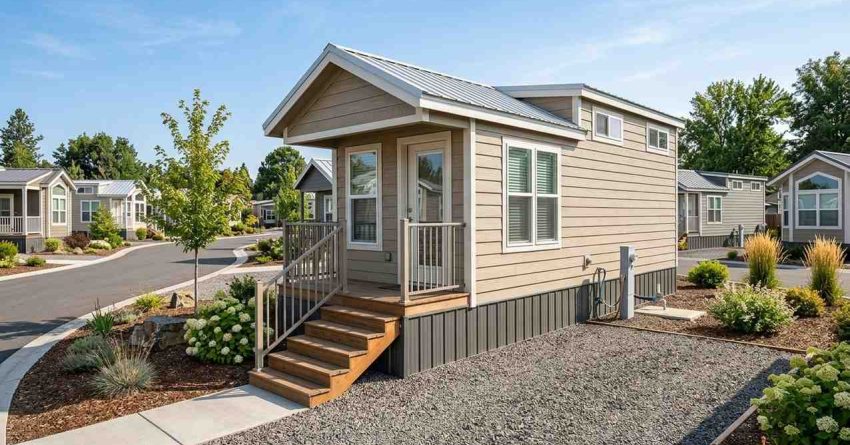
A park model home is a factory-built recreational dwelling unit that measures 400 square feet or less and is built to HUD recreational vehicle standards for use in campgrounds, RV parks, and planned communities.
Park model homes occupy a unique space in American housing. They are smaller than manufactured homes, larger than most travel trailers, and designed for semi-permanent or seasonal placement rather than frequent relocation. For homeowners, landlords, and property managers exploring alternative housing options, understanding exactly what a park model home is — and what it is not — shapes every decision that follows.
What a Park Model Home Is and How It Is Classified
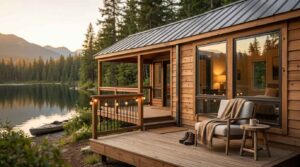
A park model home is a single-unit structure built in a factory, transported to a site, and installed on a temporary or semi-permanent basis. It measures no more than 400 square feet of living space, carries a HUD certification label, and is classified as a recreational vehicle rather than a permanent dwelling under federal standards. Despite its RV classification, it looks and functions much like a small house.
HUD Code Standards and Size Requirements
The U.S. Department of Housing and Urban Development regulates park model homes under its recreational vehicle standards, not its manufactured housing code. This distinction matters. A park model home must display a HUD certification label confirming it meets federal construction and safety requirements. The 400-square-foot limit applies to the interior living area and excludes lofts, tip-outs, and slide-out extensions. Most units range between 320 and 399 square feet. They are built on a permanent steel chassis with a tow hitch, which technically preserves their vehicle classification even when placed on a fixed site.
How Park Model Homes Differ from Manufactured Homes
Manufactured homes are built to HUD’s Manufactured Home Construction and Safety Standards and are designed as permanent or long-term residences. Park model homes are built to a separate recreational vehicle standard and are intended for seasonal or recreational use. Manufactured homes can exceed 1,000 square feet and are often placed on permanent foundations. Park model homes stay under 400 square feet and typically sit on piers, blocks, or gravel pads. The two share factory construction and HUD oversight but serve different housing purposes and carry different legal classifications at the state and local level.
Knowing how these classifications affect property use and zoning helps owners and managers plan maintenance, permitting, and long-term upkeep from the start.
Where Park Model Homes Are Used and Who Uses Them
Park model homes appear across a wide range of settings in the United States. Their compact size, factory construction, and RV classification make them flexible enough for multiple use cases while keeping costs lower than traditional site-built housing.
Common Settings: RV Parks, Campgrounds, and Tiny Home Communities
The most common placement for a park model home is inside a licensed RV park or campground that permits semi-permanent units. Many resort communities in Florida, Arizona, and the Carolinas are built entirely around park model homes as seasonal residences. Tiny home communities and alternative housing developments also accept park model units, particularly in states with flexible zoning for recreational vehicles. Some landowners place park model homes on private property as guest quarters, rental units, or caretaker housing, though local zoning laws vary significantly and must be verified before placement.
Costs, Ownership, and What to Expect
A new park model home typically costs between $30,000 and $100,000 depending on size, finish level, manufacturer, and included features. That price range covers the unit itself. Delivery, site preparation, utility connections, skirting, and steps add to the total. Monthly lot rent in an RV park or resort community ranges from $300 to $1,000 or more depending on location and amenities.
Are Park Model Homes a Smart Housing Option?
For the right buyer, yes. Park model homes offer a lower entry cost than manufactured homes or site-built construction, a smaller footprint with reduced utility costs, and flexibility for seasonal or recreational use. They work well as vacation properties, retirement retreats, or supplemental rental income units. The trade-offs include limited financing options compared to traditional mortgages, zoning restrictions that vary by county and state, and the ongoing cost of lot rent if the land is not owned. Budgeting for routine repairs and property upkeep from the beginning protects the investment and keeps the unit in rentable or livable condition year-round.
Conclusion
Park model homes are HUD-certified, factory-built recreational units under 400 square feet, designed for semi-permanent placement in RV parks, resort communities, and alternative housing settings.
For property managers and owners, the value of a park model home depends on consistent upkeep, smart placement decisions, and understanding local zoning requirements before committing to a site.
At Mr. Local Services, we help park model homeowners and property managers keep their units safe, functional, and well-maintained with reliable repair and improvement services.
Frequently Asked Questions
Can you live in a park model home full time?
Some owners do live in park model homes full time, but local zoning laws and park rules often restrict year-round occupancy. Always verify regulations with the specific community or county before committing to full-time use.
What is the difference between a park model and a tiny home?
Tiny homes are typically built to residential building codes and can be placed on permanent foundations. Park model homes are classified as recreational vehicles under HUD standards and are limited to 400 square feet of interior living space.
Do park model homes require a foundation?
No permanent foundation is required. Most park model homes are placed on piers, concrete blocks, or gravel pads. Their steel chassis and tow hitch preserve their RV classification, which typically prohibits permanent foundation installation.
How long do park model homes last?
A well-maintained park model home can last 30 to 50 years. Longevity depends on build quality, climate exposure, and how consistently the owner addresses maintenance, weatherproofing, and structural repairs over time.
Can you finance a park model home?
Financing options exist but are more limited than traditional mortgages. Lenders typically offer personal property loans, RV loans, or chattel loans for park model homes. Interest rates and terms vary based on the lender and the unit’s placement situation.