Buying a used tiny house on wheels gives you an affordable path to compact, flexible living — but only if you know exactly what to look for, what to avoid, and what the total cost of ownership really is. Used THOWs range from move-in-ready units to projects that need significant work, and the difference between a smart purchase and a costly mistake often comes down to preparation.
This matters now because the used THOW market has grown significantly, and buyers who skip key steps — inspection, title verification, zoning research — often face expensive surprises after the sale.
This guide walks you through every stage of the used THOW buying process, from setting a realistic budget to completing your setup, so you can move forward with confidence.
What Is a Used THOW and Why Are Buyers Choosing Them?
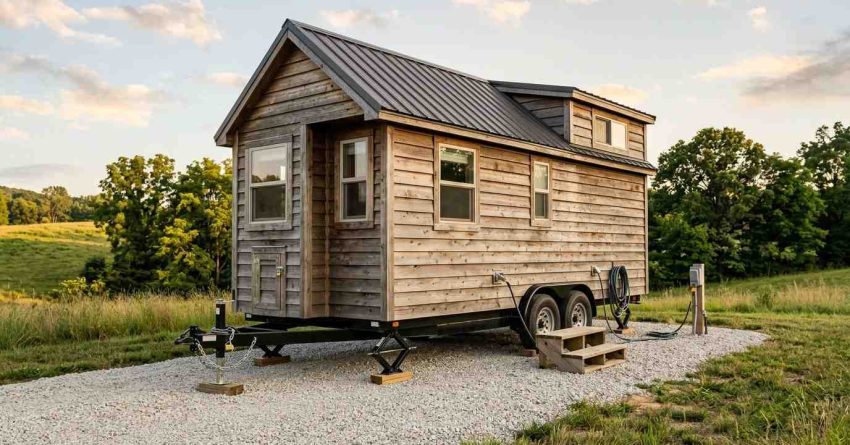
A tiny house on wheels, commonly called a THOW, is a compact dwelling built on a trailer chassis designed for road travel. Unlike a traditional home on a permanent foundation, a THOW is classified as a vehicle in most U.S. states, which affects how it is titled, registered, insured, and where it can legally be parked. A used THOW is any THOW that has had at least one previous owner, ranging from lightly used units that are only a year or two old to older builds that have seen years of full-time living.
Buyers choose used THOWs primarily because of cost. A new custom-built THOW from a reputable builder typically costs between $60,000 and $150,000 or more depending on size, materials, and features. A used THOW in good condition can often be purchased for 30% to 60% less, making the lifestyle accessible to a much wider range of buyers. Understanding what a THOW is sets the foundation for a smart purchase — our tiny home services explains the full range of tiny home solutions we support, from new builds to pre-owned setups.
THOW vs. Traditional Tiny Home: Key Differences
A traditional tiny home sits on a permanent foundation and is treated legally as real property, subject to standard real estate transactions, property taxes, and building codes. A THOW, by contrast, sits on a trailer and is treated more like a recreational vehicle in most jurisdictions. This distinction has significant practical consequences. THOWs can be relocated, which offers flexibility, but they also face restrictions on where they can be permanently parked and lived in. They are not eligible for traditional mortgage financing, and they require a vehicle capable of towing them when moved.
Who Buys Used THOWs and Why It Makes Sense
Used THOW buyers include first-time tiny home enthusiasts looking to enter the lifestyle at a lower cost, landlords and property managers adding accessory dwelling units to existing properties, and individuals seeking a mobile or semi-permanent housing solution. For buyers who want to test tiny living before committing to a new build, a used THOW offers a practical and financially lower-risk entry point. The key is approaching the purchase with the same diligence you would apply to buying any significant asset.
How to Set a Realistic Budget for a Used THOW
Budgeting for a used THOW requires accounting for more than the purchase price. The total cost of ownership includes transportation, any required repairs, site preparation, utility connections, insurance, and ongoing maintenance. Buyers who budget only for the sticker price frequently find themselves underfunded within the first few months of ownership.
Purchase Price Ranges by Size and Condition
Used THOW prices in the USA vary widely based on size, age, builder reputation, and condition. As a general framework:
- Small used THOWs (16–20 feet): $20,000–$45,000
- Mid-size used THOWs (20–26 feet): $35,000–$70,000
- Large used THOWs (26–32+ feet): $55,000–$100,000+
Units in excellent, move-in-ready condition command prices at the higher end of each range. Units needing significant repairs or updates are priced lower but require you to factor in the cost of those repairs before comparing them to higher-priced alternatives. A $30,000 THOW that needs $15,000 in repairs is not necessarily a better deal than a $42,000 unit in good condition.
Hidden Costs First-Time Buyers Miss
Beyond the purchase price, buyers should budget for:
- Transportation: Hiring a professional to tow a THOW to its destination typically costs $2–$5 per mile, depending on distance and trailer size.
- Site preparation: Leveling, gravel pads, or concrete pads at the parking location can cost $500–$5,000 depending on the site.
- Utility connections: Hooking up water, sewer, and electricity at a new location involves both materials and licensed professional labor.
- Inspection fees: A professional pre-purchase inspection typically costs $300–$600 and is one of the most valuable investments you can make before buying.
- Repairs and upgrades: Budget a minimum of 10–15% of the purchase price for post-purchase repairs, even on units that appear to be in good condition.
- Insurance: Annual THOW insurance premiums typically range from $1,000 to $2,500 depending on coverage type, location, and the unit’s value.
Where to Find Used THOWs for Sale in the USA
The used THOW market is spread across several channels, and knowing where to look — and how to evaluate each source — significantly improves your chances of finding a quality unit at a fair price.
Online Marketplaces and THOW-Specific Listings
The most active online platforms for used THOW listings include dedicated tiny home marketplaces, RV-focused classifieds, and general platforms like Facebook Marketplace and Craigslist. THOW-specific platforms tend to attract more serious sellers and provide more detailed listings, including builder information, trailer specifications, and condition disclosures. When evaluating online listings, prioritize sellers who provide multiple high-resolution photos, disclose the trailer make and year, and are willing to share the title documentation before you travel to view the unit.
Local Dealers, Builders, and Private Sellers
Some tiny home builders sell certified pre-owned THOWs that have been inspected and refurbished before resale. These units typically cost more than private-party sales but come with greater transparency about condition and history. Local dealers who specialize in RVs or tiny homes may also carry used THOWs. Private sellers offer the widest price range but require the most due diligence on your part. Regardless of the source, always insist on a physical inspection before completing any purchase.
What to Inspect Before You Buy a Used THOW
A thorough pre-purchase inspection is the single most important step in the used THOW buying process. Unlike a traditional home purchase, there is no standardized THOW inspection protocol in most states, which means buyers must be proactive about what gets evaluated and by whom.
Structural and Trailer Integrity Checks
The trailer is the foundation of a THOW, and its condition determines the structural integrity of everything built on top of it. Key inspection points include:
- Frame condition: Look for rust, corrosion, cracks, or welds that appear to have been repaired. Surface rust is common and manageable; deep corrosion or cracked welds are serious structural concerns.
- Axle and wheel condition: Check tire wear patterns, bearing condition, and brake functionality. Uneven tire wear can indicate alignment problems or axle damage.
- Hitch and coupler: The hitch must be rated for the THOW’s gross vehicle weight rating (GVWR). Inspect for wear, cracks, or improper modifications.
- Leveling and settling: Place a level on the floor in multiple locations. Significant unlevel readings can indicate trailer frame damage or improper storage over time.
Plumbing, Electrical, and HVAC Condition
Mechanical systems in a used THOW are among the most expensive to repair or replace, and they are also among the most commonly neglected. A thorough pre-purchase inspection must include the water supply and drain lines — our plumbing inspection services cover exactly what a professional checks and why it matters before you commit to a used THOW.
Wiring faults are one of the most dangerous and expensive problems in a used THOW — our electrical system checks outlines what a licensed electrician looks for during a pre-purchase evaluation. Key electrical concerns include the condition of the breaker panel, the quality of wire connections, the presence of GFCI outlets in wet areas, and whether the unit is wired for shore power, solar, or both.
Heating and cooling systems in a used THOW degrade faster than in a standard home due to compact installation — our HVAC condition assessment resource explains what to look for and when replacement is the smarter choice. Ask the seller when the HVAC system was last serviced and whether any components have been replaced.
Interior Finishes, Roofing, and Water Damage Signs
Water damage is the most common and most serious hidden problem in used THOWs. Roof leaks and moisture intrusion are the leading causes of hidden structural damage in used THOWs — our water damage inspection guide explains how professionals identify and remediate moisture problems before they become costly repairs.
The roof is one of the most critical components to evaluate in any used THOW — our roofing condition guide walks through what inspectors look for, from flashing integrity to membrane wear. During your inspection, press firmly on the roof surface around all penetrations, seams, and edges. Soft spots indicate moisture infiltration and potential decking damage beneath the roofing material.
Inside the unit, check all walls and ceilings for staining, bubbling paint, soft drywall, or musty odors. Pay particular attention to areas around windows, doors, and any roof penetrations such as vents or skylights. Check under sinks, behind the toilet, and around the shower or tub for signs of active or past leaks.
Understanding THOW Titles, Registration, and Legal Requirements
The legal framework surrounding THOWs in the USA is inconsistent across states, and navigating it correctly is essential to protecting your purchase and your ability to live in the unit legally.
How THOWs Are Titled in the USA
Most THOWs are titled as trailers or recreational vehicles, depending on the state. The title should be in the seller’s name and free of liens. Before completing any purchase, request a copy of the title and verify it through your state’s DMV or equivalent agency. A THOW without a clear title creates significant legal and financial risk — you may be unable to register it, insure it, or resell it in the future.
Some older THOWs were built by private individuals and were never formally titled. These units require a bonded title or other legal process to establish ownership, which varies by state and can take several months to complete. Factor this into your timeline and budget if you are considering an untitled unit.
Zoning Laws, Parking Rules, and Where You Can Live
Where you can legally park and live in a THOW depends entirely on local zoning ordinances, which vary significantly by county and municipality. Many residential zones in the USA do not permit full-time THOW occupancy. Options that are more commonly available include:
- RV parks and campgrounds that allow long-term stays
- Tiny home communities specifically zoned for THOW occupancy
- Agricultural land in rural areas where local ordinances are more permissive
- Private property where the landowner has confirmed local zoning permits it
Research zoning requirements in your target location before purchasing a THOW. Buying a unit before confirming where you can legally park it is one of the most common and costly mistakes in the THOW buying process.
Financing and Insurance Options for Used THOWs
Because THOWs are not classified as real property, they are not eligible for traditional mortgage financing. This creates a different set of financing and insurance considerations compared to a standard home purchase.
Loan Types Available for THOW Purchases
The most common financing options for used THOWs include:
- Personal loans: Unsecured personal loans from banks, credit unions, or online lenders are the most widely available option. Interest rates are higher than mortgage rates, typically ranging from 7% to 20% depending on credit profile and lender.
- RV loans: Some lenders classify THOWs as recreational vehicles and offer RV-specific financing, which may carry lower rates than personal loans. Eligibility depends on the unit’s construction and how it is titled.
- Credit union loans: Credit unions often offer more flexible terms for non-traditional housing purchases and may have specific programs for tiny home buyers.
- Seller financing: In some private-party transactions, sellers may be willing to carry financing directly, particularly for buyers who cannot qualify for traditional loans.
Before applying for financing, confirm with the lender that they will finance a used THOW specifically, as policies vary significantly between institutions.
How to Insure a Used THOW
THOW insurance is available through specialty insurers who understand the unique classification of these units. Standard homeowner’s insurance and standard auto insurance typically do not provide adequate coverage. A comprehensive THOW insurance policy should include:
- Physical damage coverage for the structure and its contents
- Liability coverage for injuries or property damage occurring in or around the unit
- Towing coverage if you plan to move the unit
- Full-time occupancy coverage if you will be living in the unit as your primary residence
Before finalizing your THOW purchase, confirming that all locks and entry points are secure is a practical step — our lock and security upgrades explains what a locksmith can assess and replace in a compact home setting, which can also support your insurance documentation requirements.
Negotiating the Best Price on a Used THOW
Used THOW pricing is not standardized, which means there is almost always room to negotiate. Sellers price based on their own assessment of value, comparable listings they have seen, and how motivated they are to sell. Buyers who come prepared with inspection findings and market data consistently negotiate better outcomes.
Red Flags That Give You Negotiating Power
Any documented issue found during inspection is a legitimate basis for a price reduction. The most powerful negotiating points include:
- Roof or water damage: Even minor moisture issues require professional remediation and represent real cost to the buyer.
- Mechanical system deficiencies: HVAC, plumbing, or electrical problems that require licensed professional repair carry documented costs that justify price reductions.
- Trailer condition issues: Rust, axle wear, or hitch problems are expensive to address and directly affect the unit’s safety and mobility.
- Missing or unclear title documentation: A title that requires legal resolution to clear adds time and cost to the purchase.
Documented structural carpentry issues give buyers real negotiating leverage — our structural carpentry repairs explains what professional repairs involve so you can accurately estimate costs before making an offer. Arriving at a negotiation with written repair estimates from licensed professionals is significantly more effective than verbal assessments.
Essential Repairs and Upgrades to Plan After Purchase
Even a used THOW in good condition will likely require some work after purchase. Planning for this before you buy — rather than discovering it afterward — keeps your budget intact and your timeline realistic.
Priority Repairs That Affect Safety and Livability
Safety-related repairs should be addressed before moving into the unit. These include:
- Roof resealing and flashing repair: Even if no active leaks are present, resealing all roof penetrations and seams is a low-cost preventive measure that protects the entire structure.
- Smoke and carbon monoxide detector installation: Verify that working detectors are present and properly positioned for the unit’s layout.
- Electrical safety review: Have a licensed electrician confirm that all wiring, connections, and panel components meet current safety standards.
- Plumbing leak check: Run all fixtures and inspect all connections under pressure before relying on the system for daily use.
Many post-purchase repairs in a used THOW fall into the category of skilled handyman work — our handyman repair services covers the types of fixes a professional can handle quickly and cost-effectively. Interior wall and ceiling damage is common in used THOWs that have experienced moisture or settling — our drywall repair services explains what the repair process involves and what to expect in terms of timeline and finish quality.
Upgrades That Add Long-Term Value
After addressing safety and functional repairs, strategic upgrades can significantly improve comfort, energy efficiency, and resale value. The highest-impact upgrades for used THOWs include:
Replacing worn or damaged flooring is one of the highest-impact upgrades you can make in a used THOW — our flooring upgrade options covers materials, installation methods, and what works best in compact living spaces.
Upgrading single-pane or damaged windows improves both energy efficiency and comfort in a used THOW — our window replacement guide explains the options available and how professional installation protects your investment.
Exterior door condition directly affects security, weatherproofing, and energy performance in a tiny home — our door installation services covers replacement options and what a professional installation includes.
Moving and Setting Up Your Used THOW
Once you have completed the purchase, moving the unit to its destination and completing the setup requires careful coordination across several practical areas.
Towing Requirements and Vehicle Compatibility
A THOW’s GVWR determines the towing capacity required from your vehicle. Most mid-size THOWs have a GVWR between 10,000 and 16,000 pounds, which requires a heavy-duty pickup truck with an appropriate hitch rating. Before moving the unit, confirm:
- Your tow vehicle’s rated towing capacity exceeds the THOW’s GVWR
- The hitch class and ball size match the THOW’s coupler
- The trailer’s brake controller is compatible with your vehicle
- You have the appropriate driver’s license endorsement if required in your state
If you do not own a suitable tow vehicle, professional THOW transport services are available and are often the safer and more cost-effective option for long-distance moves.
Utility Hookups and Off-Grid Setup Options
Connecting your THOW to water and sewer at a new site requires proper plumbing setup — our utility hookup plumbing resource explains what the connection process involves and when a licensed plumber is required. Shore power connections and electrical panel compatibility are critical steps when setting up a used THOW at a new location — our electrical hookup setup explains what a licensed electrician handles during the connection process.
For buyers setting up in locations without utility access, off-grid systems are a viable alternative. Common off-grid configurations include solar panels with battery storage for electricity, a freshwater tank with a pump for water supply, and a composting or cassette toilet system for waste management. Each of these systems requires proper sizing and installation to function reliably for full-time living.
Setting up a THOW for long-term living often includes safety and accessibility considerations that go beyond basic utility connections — our safety and accessibility setup covers grab bars, ramp options, and other modifications that make compact living safer.
Conclusion
Buying a used THOW is a process that rewards preparation. Understanding the unit’s legal classification, inspecting it thoroughly, budgeting for the full cost of ownership, and confirming where you can legally park it are the steps that separate successful purchases from costly mistakes.
The used THOW market offers genuine value for buyers who approach it with the right knowledge. With clear inspection findings, verified title documentation, and a realistic post-purchase repair budget, you can secure a quality unit at a price that makes compact living financially practical.
At Mr. Local Services, our team of skilled professionals supports every stage of THOW ownership — from pre-purchase inspections and post-purchase repairs to utility hookups and long-term maintenance. Contact us today to connect with the right expert for your THOW project.
Frequently Asked Questions
What does THOW stand for?
THOW stands for Tiny House on Wheels. It refers to a compact dwelling built on a trailer chassis that can be towed by a vehicle, as opposed to a tiny home built on a permanent foundation.
How much does a used THOW cost on average?
Used THOW prices in the USA typically range from $20,000 to $100,000 or more, depending on size, age, builder, and condition. Mid-size units in good condition most commonly sell in the $35,000 to $70,000 range.
Is a THOW considered a home or a vehicle?
In most U.S. states, a THOW is classified as a vehicle or trailer, not as real property. This classification affects how it is titled, registered, insured, and where it can legally be parked and occupied.
Can you get a mortgage for a used THOW?
No. Because THOWs are not classified as real property, they are not eligible for traditional mortgage financing. Buyers typically use personal loans, RV loans, or credit union financing instead.
What is the most important thing to inspect in a used THOW?
The trailer frame and any signs of water damage are the two most critical inspection areas. Trailer structural problems and moisture intrusion are the most expensive issues to repair and the most commonly hidden in used THOW listings.
Where can you legally park a used THOW in the USA?
Legal parking options vary by location and include RV parks, tiny home communities, agricultural land in permissive rural areas, and private property where local zoning allows it. Residential zones in most municipalities do not permit full-time THOW occupancy.
Do you need a special license to tow a THOW?
In most states, a standard driver’s license is sufficient for towing a THOW under a certain weight threshold, typically 26,000 pounds combined vehicle weight. However, requirements vary by state, and buyers should confirm local rules before towing.
How long do used THOWs typically last?
A well-built and properly maintained THOW can last 20 to 30 years or more. The trailer frame and roofing system are the components most likely to limit lifespan if not maintained. Regular inspections and preventive maintenance significantly extend the useful life of any used THOW.