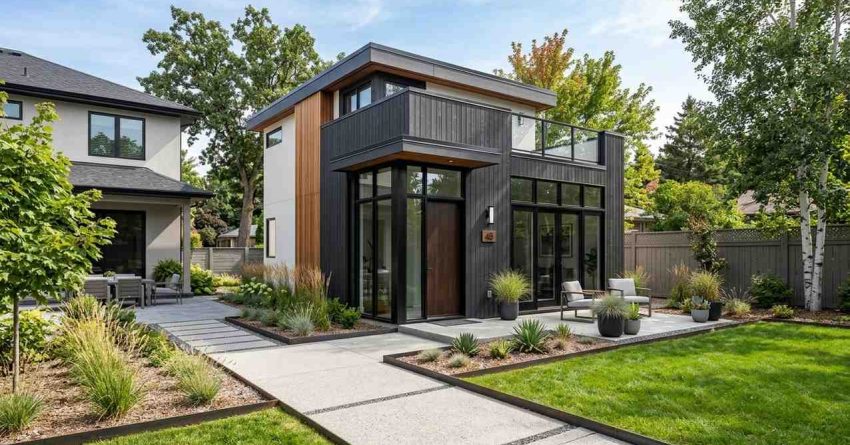
A detached ADU is a fully independent residential unit built on the same lot as a primary home, with its own entrance, kitchen, bathroom, and living space — completely separate from the main structure. Homeowners across the USA are building detached ADUs to generate rental income, house family members, or increase property value, with construction costs typically ranging from $100,000 to $350,000 depending on size, location, and finish level.
Understanding the full scope of a detached ADU project — from zoning approval to final inspection — helps you avoid costly mistakes and plan realistically.
This guide covers every stage: permits, design standards, construction steps, utility connections, interior finishing, rental rules, maintenance, and long-term return on investment.
What Is a Detached ADU?
A detached accessory dwelling unit (ADU) is a secondary housing structure built on a residential lot, completely separate from the primary home. Unlike a basement apartment or garage conversion, a detached ADU stands on its own foundation, has its own roof, and operates as a fully self-contained living space. It includes a kitchen, bathroom, sleeping area, and private entrance.
The term “accessory” means the unit is secondary to the main home on the lot. It cannot be sold independently as a separate parcel in most jurisdictions, but it can be rented, used for family members, or serve as a home office or studio.
Detached ADU vs. Attached ADU
The key difference between a detached and attached ADU is physical separation. An attached ADU shares at least one wall with the primary residence — common examples include garage conversions, basement apartments, and additions built onto the side of a home. A detached ADU has no shared walls, no shared roof, and no direct interior connection to the main house.
Detached ADUs typically cost more to build because they require their own foundation, full exterior envelope, and separate utility connections. However, they offer greater privacy for both the primary homeowner and the ADU occupant, which makes them more desirable as rental units and more valuable as a property improvement.
Common Types of Detached ADUs
Detached ADUs come in several construction formats. A site-built ADU is constructed from scratch on the property using traditional framing methods. A prefabricated ADU is manufactured off-site in panels or modules and assembled on the lot, which can reduce construction time significantly. A converted structure ADU repurposes an existing detached garage, workshop, or barn into a livable unit.
Each type has different cost profiles, permit pathways, and construction timelines. Detached ADUs share many design principles with compact living structures — our tiny home options guide explores how prefab and modular builds compare to traditional ADU construction for homeowners evaluating both paths.
Detached ADU Zoning Laws and Permit Requirements
Before any design or construction work begins, homeowners must verify that their property is zoned to allow a detached ADU. Zoning laws govern whether an ADU is permitted, how large it can be, where it can be placed on the lot, and whether owner-occupancy is required.
In the USA, ADU regulations are set at the local level — by city, county, or municipality — and vary significantly from one jurisdiction to the next. California, Oregon, Washington, and several other states have passed state-level ADU reform laws that limit how restrictive local governments can be, making it easier to build in those areas. Other states leave full discretion to local zoning boards, which can result in lengthy approval processes or outright prohibitions in some zones.
Local Zoning Regulations by State
The most important zoning questions to answer before planning a detached ADU are: Is an ADU permitted by right in your zone, or does it require a conditional use permit? Is owner-occupancy required — meaning you must live in either the main home or the ADU? Are short-term rentals (such as Airbnb) permitted in the ADU, or is it restricted to long-term tenants?
Zoning codes also specify minimum lot size requirements, maximum ADU size relative to the primary home, and whether the ADU must match the architectural style of the main structure. Checking with your local planning department or a licensed architect before investing in design work is the most reliable way to confirm what is allowed on your specific parcel.
How to Apply for an ADU Building Permit
Once zoning approval is confirmed, a building permit is required before construction begins. The permit application typically requires a site plan showing the ADU’s location on the lot, architectural drawings with floor plans and elevations, structural engineering documents, and utility connection plans for water, sewer, and electrical.
Most jurisdictions require separate permits for structural work, plumbing, electrical, and mechanical systems. Each trade permit triggers its own inspection at specific construction milestones. Navigating ADU permits often overlaps with broader renovation approvals — understanding the remodeling permit process helps homeowners prepare the right documentation before breaking ground.
Permit timelines vary widely. Some jurisdictions offer over-the-counter approval for pre-approved ADU plans within days. Others require plan review periods of 30 to 90 days or longer. Budgeting for permit fees, which typically range from $5,000 to $25,000 depending on location and project scope, is an essential part of the overall cost plan.
Detached ADU Size, Setback, and Design Standards
Every jurisdiction sets limits on how large a detached ADU can be and how close it can sit to property lines, the primary home, and other structures. These rules directly affect what you can build and where you can build it.
Maximum Square Footage Rules
Most jurisdictions cap detached ADU size at either a fixed square footage limit or a percentage of the primary home’s floor area. Common limits range from 500 to 1,200 square feet, though some states allow up to 1,200 square feet regardless of the primary home’s size. California, for example, sets a statewide minimum allowance of 850 square feet for a studio or one-bedroom ADU and 1,000 square feet for a two-bedroom unit, even if local rules would otherwise be more restrictive.
Height limits also apply. Most detached ADUs are capped at one story (approximately 16 feet) or one and a half stories, though some jurisdictions allow two-story structures up to 25 feet in height.
Setback Requirements and Lot Coverage Limits
Setbacks define the minimum distance between the ADU and each property line. Rear and side setbacks for detached ADUs typically range from 4 to 10 feet, depending on local code. Front setbacks are usually more restrictive, often requiring the ADU to be placed behind the primary home’s front facade.
Lot coverage limits cap the total percentage of the lot that can be covered by structures, including the primary home, the ADU, garages, and covered patios. Exceeding lot coverage limits is one of the most common reasons ADU projects require design revisions after initial permit submission.
How Much Does a Detached ADU Cost to Build?
The total cost to build a detached ADU in the USA ranges from approximately $100,000 to $350,000 or more, depending on location, size, construction method, and finish quality. In high-cost markets such as the San Francisco Bay Area, Los Angeles, Seattle, and New York, costs frequently exceed $300,000 for a modest 600-square-foot unit. In lower-cost markets in the Midwest and South, a comparable unit may be completed for $120,000 to $180,000.
Cost Breakdown by Construction Method
Site-built ADUs are the most expensive construction method because all labor is performed on-site. Material and labor costs for a site-built detached ADU typically break down as follows: foundation and site work (10–15% of total cost), framing and structural work (15–20%), roofing and exterior envelope (10–15%), plumbing rough-in and finish (10–12%), electrical rough-in and finish (8–10%), HVAC installation (5–8%), insulation and drywall (5–7%), interior finishes including flooring, cabinets, and fixtures (15–20%), and permits, design, and engineering fees (8–12%).
Structural framing and finish carpentry are two of the largest labor cost drivers in ADU construction — our custom carpentry work explains what skilled carpenters handle at each stage of the build.
Prefabricated ADUs can reduce total construction costs by 15–25% compared to site-built units because factory production is more efficient and weather-independent. However, site preparation, foundation work, and utility connections still represent significant costs regardless of construction method.
Financing Options for Detached ADUs
Most homeowners finance detached ADU construction through one of four methods: a home equity line of credit (HELOC), a cash-out refinance, a construction loan, or a state-backed ADU loan program. HELOCs are the most common choice for homeowners with significant equity, as they offer flexible draw schedules that align with construction milestones.
Several states, including California, have established dedicated ADU financing programs through housing finance agencies that offer below-market interest rates for qualifying homeowners. Homeowners who need help covering construction costs have several lending paths available — our dedicated ADU financing options walks through HELOCs, construction loans, and state-backed programs in detail.
Detached ADU Construction Process Step by Step
Building a detached ADU follows the same general sequence as any new residential construction, compressed into a smaller footprint. Understanding each phase helps homeowners set realistic timelines and know what to expect at each stage.
Site Preparation and Foundation Work
Construction begins with site preparation: clearing vegetation, grading the land, and marking the building footprint. Soil testing may be required in some jurisdictions to confirm bearing capacity before foundation design is finalized.
The foundation type depends on soil conditions, local code, and budget. Slab-on-grade foundations are the most common and cost-effective choice for detached ADUs in mild climates. Raised foundations with crawl spaces are preferred in areas with expansive soils, high moisture, or seismic activity. Basement foundations are rare for ADUs due to cost but may be required on sloped lots.
Framing, Roofing, and Exterior Work
Once the foundation is poured and cured, framing begins. Wall framing, floor systems, and roof framing are typically completed within one to three weeks for a standard ADU footprint. Roof sheathing and waterproofing follow immediately to protect the structure from weather.
Roofing is one of the most technically demanding phases of ADU construction — our ADU roofing installation covers material selection, pitch requirements, and what to expect from a professional roofing crew. Exterior siding, windows, and doors are installed after roofing is complete, completing the building envelope before interior work begins.
Interior Finishing and Systems Installation
With the building envelope closed, mechanical, electrical, and plumbing rough-in work proceeds simultaneously. Inspections are required at rough-in stage before walls are closed. Insulation is installed after rough-in inspections pass, followed by drywall.
Once framing is complete, interior wall and ceiling installation begins — our drywall and ceiling work explains the finishing process, material options, and typical timelines for ADU interiors. Interior finishing — including flooring, cabinetry, tile, paint, and fixture installation — is the final phase before the certificate of occupancy inspection.
Total construction timelines for a detached ADU typically range from 6 to 18 months from permit submission to certificate of occupancy, depending on jurisdiction, contractor availability, and construction complexity.
Utilities, Plumbing, and Electrical for Detached ADUs
A detached ADU requires its own utility connections. Because the structure is physically separate from the primary home, water, sewer, electrical, and HVAC systems must either be extended from the main home’s existing infrastructure or connected directly to municipal services.
Connecting Water and Sewer Lines
Water service for a detached ADU is typically provided by tapping into the main home’s existing water supply line and running a new branch line to the ADU. In some jurisdictions, a separate water meter is required for the ADU, which adds cost but simplifies billing for rental situations.
Sewer connection requires running a new drain line from the ADU to the main sewer lateral or septic system. This typically involves trenching across the yard, which can be disruptive and costly depending on the distance and soil conditions. Connecting a detached ADU to the main property’s water and sewer system requires careful planning and licensed work — our ADU plumbing connection covers trenching, tie-in points, and permit requirements for new utility runs.
Electrical Panel and HVAC Requirements
Electrical service for a detached ADU is most commonly provided by running a new circuit from the main home’s electrical panel to a subpanel installed in the ADU. The subpanel serves all circuits within the unit. A detached ADU typically requires its own subpanel or dedicated circuit run from the main home — our ADU electrical panel setup explains load calculations, panel sizing, and what a licensed electrician installs during this phase.
For heating and cooling, ductless mini-split systems are the most popular choice for detached ADUs because they are energy-efficient, require no ductwork, and can be installed without major structural modifications. Heating and cooling a detached ADU efficiently depends on choosing the right system for the unit’s size and layout — our ADU HVAC installation compares mini-split systems, ducted options, and energy efficiency considerations.
Detached ADU Interior Design and Finishing Options
Interior design decisions for a detached ADU must balance livability, durability, and rental appeal within a compact footprint. Every square foot counts, and material choices directly affect both the unit’s long-term maintenance costs and its attractiveness to tenants.
Flooring, Drywall, and Ceiling Choices
Flooring selection is one of the most impactful decisions in an ADU finish-out. Luxury vinyl plank (LVP) is the most popular choice for rental ADUs because it is waterproof, scratch-resistant, easy to clean, and available in a wide range of styles that mimic hardwood. Choosing the right flooring for a detached ADU balances durability, moisture resistance, and rental appeal — our ADU flooring options compares LVP, tile, hardwood, and carpet for small-space applications.
Standard drywall with a smooth or light texture finish is appropriate for most ADU interiors. Moisture-resistant drywall should be used in bathrooms and kitchens. Ceiling height significantly affects how spacious a small unit feels — 9-foot ceilings are preferable to the standard 8-foot height when framing allows.
Kitchen, Bathroom, and Storage Planning
In a compact ADU, kitchen and bathroom layouts require careful planning to maximize function without wasting space. Galley kitchens, L-shaped layouts, and peninsula configurations all work well in ADU footprints under 600 square feet. Full-size appliances are preferable to apartment-size units when space allows, as they increase the unit’s appeal to long-term tenants.
Natural light and ventilation are critical in compact ADU layouts, making window placement and sizing decisions especially important — our ADU window installation covers egress requirements, energy ratings, and frame material choices. Built-in storage, murphy beds, and multi-function furniture can significantly improve livability in studio and one-bedroom ADU configurations.
Entry doors, interior passage doors, and sliding options all affect both the security and the feel of a finished ADU — our ADU door selection explains what to look for in exterior-grade and interior door hardware for rental units.
Renting Out a Detached ADU: Rules and Best Practices
A detached ADU can generate meaningful rental income, but homeowners must understand the legal requirements, landlord responsibilities, and practical considerations before listing the unit.
Short-Term vs. Long-Term Rental Considerations
Long-term rentals — leases of 30 days or more — are permitted for detached ADUs in most jurisdictions that allow ADUs at all. Short-term rentals through platforms like Airbnb or VRBO are subject to separate local regulations and are prohibited in many cities and counties, even where long-term ADU rentals are fully permitted. Homeowners should verify short-term rental rules with their local planning department before investing in furnishings or listing the unit.
Owner-occupancy requirements also affect rental options. Some jurisdictions require the property owner to live in either the primary home or the ADU as a condition of the ADU permit. Renting both units simultaneously may not be permitted in these cases.
Setting Rental Rates and Managing Tenants
Rental rates for detached ADUs vary significantly by market, unit size, and amenity level. In high-demand urban markets, a well-finished 600-square-foot ADU can command $1,800 to $3,500 per month. In suburban and rural markets, comparable units typically rent for $900 to $1,800 per month.
Managing a detached ADU as a rental property involves lease agreements, tenant screening, and ongoing maintenance responsibilities — our ADU rental management guide covers every step from listing the unit to handling repairs. Keeping a rental ADU in good condition between tenants requires fast, reliable repair work across multiple trades — our rental property repairs explains how a professional handyman handles the most common maintenance calls.
Detached ADU Maintenance and Long-Term Upkeep
A detached ADU requires the same ongoing maintenance as any residential structure. Because it is a separate building, it has its own roof, foundation, exterior envelope, and mechanical systems — all of which need regular attention to remain safe, functional, and rentable.
Routine Maintenance Checklist
Annual maintenance tasks for a detached ADU include inspecting the roof for damaged or missing shingles, cleaning gutters and downspouts, checking exterior caulking and weatherstripping around windows and doors, testing smoke and carbon monoxide detectors, servicing the HVAC system, flushing the water heater, and inspecting the foundation for cracks or moisture intrusion.
Regular deep cleaning between tenants and seasonal maintenance cleaning are essential for preserving an ADU’s condition and rental value — our ADU cleaning services outlines what a professional cleaning visit covers for small residential units. ADUs with in-unit laundry require annual dryer vent cleaning to prevent fire hazards and maintain appliance efficiency — our dryer vent cleaning explains how often this service is needed and what the process involves.
Keeping an ADU’s exterior surfaces clean prevents long-term damage from mold, mildew, and weathering — our exterior pressure washing covers siding, concrete, and deck washing for detached structures.
When to Call a Professional for Repairs
Detached ADUs are particularly vulnerable to pest entry through foundation gaps and utility penetrations — our ADU pest prevention explains inspection schedules, common entry points, and treatment options for small residential structures.
Plumbing leaks, electrical issues, roof damage, and HVAC failures should always be addressed by licensed professionals. Attempting to repair these systems without proper licensing can void warranties, create safety hazards, and result in failed inspections. Establishing a relationship with a reliable home services provider before problems arise ensures faster response times and more consistent repair quality.
Is a Detached ADU Worth It? ROI and Property Value
For most homeowners in markets with strong rental demand, a detached ADU is one of the highest-return property improvements available. The combination of rental income, increased property value, and expanded housing flexibility makes it a compelling long-term investment.
How ADUs Affect Home Resale Value
Research consistently shows that detached ADUs increase property resale values, particularly in urban and suburban markets with housing shortages. The value added depends on the local market, the quality of the ADU construction, and whether the unit is income-producing at the time of sale. A well-built, permitted ADU with a documented rental history is a significant selling point for buyers who want to offset mortgage costs with rental income.
Thoughtful landscaping around a detached ADU improves curb appeal, creates privacy between units, and adds measurable value to the overall property — our ADU landscaping design covers screening plants, pathways, and low-maintenance ground cover options.
Rental Income Potential and Payback Period
The payback period for a detached ADU depends on construction cost and local rental rates. At a construction cost of $200,000 and a monthly rental rate of $1,800, the gross payback period is approximately 9.3 years before accounting for operating expenses, vacancy, and financing costs. In higher-rent markets where the same unit commands $2,800 per month, the payback period drops to approximately 6 years.
Adding a small deck or patio to a detached ADU significantly increases its livability and rental appeal — our ADU deck addition explains design options, material choices, and permit requirements for attached outdoor structures. Homeowners who invest in quality finishes, efficient systems, and attractive outdoor spaces consistently achieve higher rents and lower vacancy rates than those who build to minimum standards.
Conclusion
A detached ADU is a complete residential structure — governed by zoning law, built through a defined construction process, and maintained like any independent home. Understanding each phase, from permit to final inspection, is what separates a successful project from a costly one.
The long-term value of a detached ADU depends on quality construction, proper permitting, and consistent upkeep across every system in the unit. Homeowners who plan carefully and work with skilled professionals at each stage protect both their investment and their tenants.
Mr. Local Services connects homeowners and property managers with experienced professionals across every trade involved in ADU construction and maintenance — contact us today to get reliable, end-to-end support for your detached ADU project.
Frequently Asked Questions
What is the difference between a detached ADU and a guest house?
A detached ADU is a fully permitted, code-compliant residential unit with its own kitchen, bathroom, and living space, built under an ADU permit. A guest house may refer to a similar structure, but the term is not a legal designation — whether it qualifies as an ADU depends entirely on local zoning and permit classification.
Do I need a separate address for my detached ADU?
Most jurisdictions assign a separate address to a detached ADU once it receives a certificate of occupancy. This is required for emergency services access and is typically handled automatically through the permit process. Some municipalities require the homeowner to request the address assignment separately.
Can I build a detached ADU on any residential lot?
Not all residential lots qualify for a detached ADU. Minimum lot size requirements, zoning designations, setback constraints, and lot coverage limits all affect eligibility. Homeowners should verify their specific parcel’s ADU eligibility with the local planning department before investing in design or engineering work.
How long does it take to build a detached ADU?
The total timeline from permit application to certificate of occupancy typically ranges from 6 to 18 months. Permit review alone can take 30 to 90 days or longer in some jurisdictions. Construction of the physical structure, once permits are approved, generally takes 4 to 9 months depending on size, complexity, and contractor availability.
Do I need owner-occupancy to rent out a detached ADU?
Owner-occupancy requirements vary by jurisdiction. Some cities and counties require the property owner to live in either the primary home or the ADU as a condition of the ADU permit. Others have eliminated owner-occupancy requirements entirely. Checking local ADU ordinances before purchasing a property with the intent to rent both units is essential.
What is the best HVAC system for a detached ADU?
Ductless mini-split systems are the most widely recommended HVAC solution for detached ADUs. They provide both heating and cooling in a single system, require no ductwork, are highly energy-efficient, and can be installed without major structural modifications. A single-zone mini-split is typically sufficient for ADUs under 600 square feet.
Can a detached ADU be used as a short-term rental?
Short-term rental use of a detached ADU is subject to local regulations that vary significantly by city and county. Many jurisdictions that permit long-term ADU rentals prohibit or heavily restrict short-term rentals. Homeowners should verify short-term rental rules with their local planning department and review any applicable HOA restrictions before listing the unit on short-term rental platforms.
How much does it cost to connect utilities to a detached ADU?
Utility connection costs for a detached ADU typically range from $15,000 to $50,000 depending on the distance from the main home, local labor rates, and whether a separate meter is required. Electrical subpanel installation, water line extension, and sewer lateral connection are the three largest utility cost components.