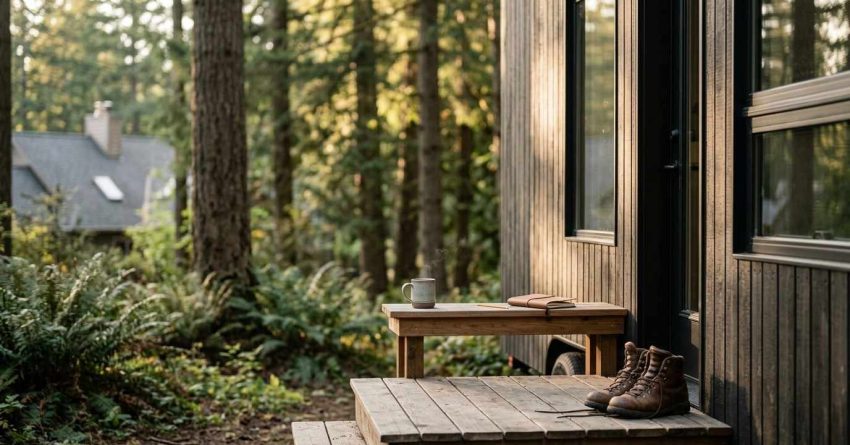
Dave Ramsey calls tiny homes a poor long-term financial decision for most buyers. He warns that they depreciate like vehicles, struggle to gain equity, and rarely deliver the savings owners expect. While he acknowledges the lifestyle appeal, his core message is consistent: a tiny home is usually a lifestyle purchase, not a wealth-building asset. Homeowners, landlords, and property managers evaluating this trend in the USA need to understand both his reasoning and where his caution leaves room for smart, well-maintained ownership.
Dave Ramsey’s Direct Stance on Tiny Homes
Dave Ramsey views tiny homes as a lifestyle choice rather than a sound investment. On his show, he has stated that tiny homes typically lose value over time, unlike traditional real estate. He cautions buyers against expecting equity growth, financing flexibility, or strong resale demand, especially when the structure sits on wheels or leased land.
Why He Calls Them a Financial Risk
Ramsey’s main concern is depreciation. Traditional homes generally appreciate because the land beneath them holds value. Tiny homes, particularly those on trailers, behave more like RVs. They lose value the moment they leave the dealer. Financing options are limited, interest rates are higher, and insurance can be complicated. For buyers expecting a tiny home to build wealth, Ramsey argues the math rarely supports the dream.
The Resale and Depreciation Concern
Resale is the second pillar of his caution. The tiny home market is narrow, buyer pools are small, and custom builds often appeal only to their original owner. Land-zoning restrictions across many USA municipalities further shrink the buyer base. Ramsey points out that even well-built tiny homes can sit unsold for months, forcing sellers to accept steep discounts that wipe out any savings from a smaller mortgage or utility bill.
Ramsey’s caution is grounded in numbers, but the picture changes when buyers approach tiny home ownership and upkeep with realistic expectations and a clear maintenance plan.
When a Tiny Home Can Still Make Financial Sense
Ramsey does not say tiny homes are always wrong. He says they only work when bought debt-free, used as a deliberate lifestyle choice, or treated as a transitional housing solution. Buyers paying cash, downsizing for retirement, or using a tiny home as a rental unit on owned land can sidestep his biggest objections. The key is removing financing risk and treating the structure as a use-asset, not an investment vehicle.
Smart Ownership and Maintenance Practices
A tiny home holds value longer when it is maintained like any other property. That means routine inspections, plumbing checks, roof care, HVAC tune-ups, and electrical safety reviews. Many owners underestimate how compact systems still require professional attention. Partnering with reliable ongoing maintenance support helps protect both function and resale value year-round.
How Tiny Homes Compare to Traditional Housing
Compared to a standard home, tiny homes offer lower upfront costs, reduced utility bills, and simpler upkeep. They lack appreciation, financing strength, and broad resale demand. For some buyers, particularly retirees or single occupants, the trade-off is worthwhile. For families or wealth-focused buyers, Ramsey’s advice favors traditional ownership. A middle path, often overlooked, is making small-space remodeling decisions inside an existing home to capture tiny-living benefits without the resale risk.
Conclusion
Dave Ramsey sees tiny homes as a lifestyle product, not a wealth-building asset, citing depreciation, weak resale, and financing limits as core risks.
For homeowners, landlords, and property managers in the USA, the smarter move is matching housing decisions to long-term goals and consistent property care.
When you need trusted professionals to maintain, repair, or improve any home, Mr. Local Services connects you with skilled experts ready to deliver dependable results.
Frequently Asked Questions
Does Dave Ramsey recommend buying a tiny home?
No. Ramsey generally advises against tiny homes as investments because they depreciate, lack strong resale markets, and rarely build long-term equity for owners.
Are tiny homes a good investment in the USA?
Most tiny homes lose value over time, especially those on wheels. They function better as lifestyle choices than as appreciating real estate investments.
Can a tiny home be paid off faster than a regular house?
Yes. Lower price tags allow faster payoff, but Ramsey warns the savings often disappear due to depreciation, zoning issues, and limited resale opportunities.
Do tiny homes hold their value?
Typically no. Tiny homes on trailers depreciate like vehicles. Permanent tiny homes on owned land hold value better but still face narrow buyer demand.
What maintenance do tiny homes need?
Tiny homes need regular plumbing, electrical, roofing, and HVAC care. Compact systems still require professional inspections to protect safety, function, and long-term resale value.