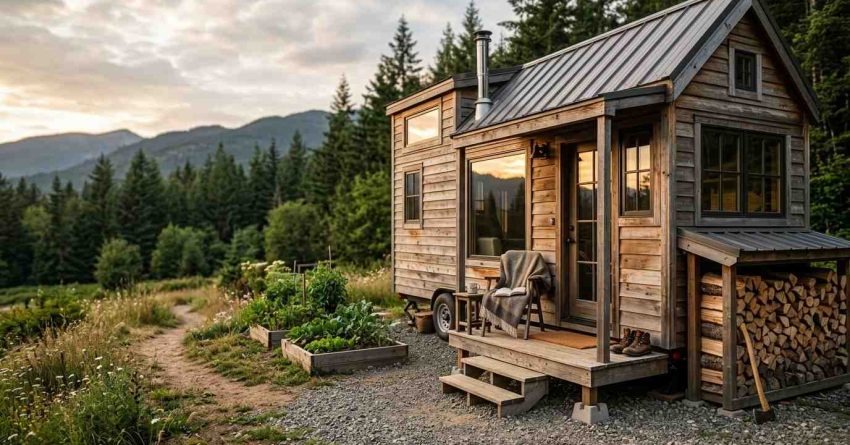
A well-built tiny house typically lasts 30 to 50 years, with foundation-based models often reaching longer with proper care. Lifespan depends heavily on construction quality, materials, climate exposure, and ongoing maintenance. Tiny houses on wheels generally have shorter lifespans than those on permanent foundations because road travel and trailer wear add stress over time. Homeowners who treat tiny houses like traditional homes, with routine inspections and timely repairs, consistently see the longest service life.
How Long Does a Tiny House Last?
A standard tiny house lasts 30 to 50 years when built with quality materials and maintained regularly. Foundation-based tiny homes can exceed this range, performing similarly to conventional houses. Tiny houses on wheels typically last 10 to 30 years, depending on trailer condition, travel frequency, and weather exposure. Construction standards remain the strongest predictor of long-term durability.
Lifespan of Tiny Houses on Wheels (THOWs)
Tiny houses on wheels generally last between 10 and 30 years. Frequent transport, road vibration, and exposure to varying climates accelerate wear on framing, siding, and the trailer chassis. Models built with steel framing, marine-grade fasteners, and weather-sealed exteriors tend to perform at the higher end. Stationary THOWs that rarely move often outlast frequently transported units by a wide margin, since road stress is the dominant lifespan-limiting factor for mobile builds.
Lifespan of Tiny Houses on Foundations
Foundation-based tiny houses can last 50 years or longer, matching the performance of conventional homes. They benefit from stable structural support, proper drainage, and the ability to use standard residential building materials. With consistent upkeep, roof replacement at expected intervals, and protection from moisture, these homes age predictably. Their lifespan often depends less on the structure itself and more on the homeowner’s commitment to scheduled maintenance and timely repairs throughout the years.
Understanding how long a tiny house lasts is only part of the picture. Routine tiny home upkeep is what turns a typical lifespan into a long one.
Key Factors That Affect Tiny House Longevity
Several variables determine how long a tiny house actually lasts. Construction quality sits at the top, followed by material selection, climate exposure, and maintenance habits. Tiny homes built with kiln-dried lumber, proper insulation, and quality fasteners resist warping and rot far better than budget builds. Climate plays an equally significant role, since humidity, snow load, and UV exposure each create distinct wear patterns.
Construction Quality, Materials, and Climate Exposure
Moisture is the leading cause of premature failure in tiny houses. Poor flashing, weak sealing, and inadequate ventilation lead to mold, rot, and structural decay. Owners in humid or coastal regions often need water damage repair services earlier than those in dry climates. Quality windows, well-sealed roofing, and breathable insulation systems extend lifespan significantly. Material choice at build time consistently outweighs cosmetic upgrades made later.
How Maintenance Extends a Tiny House’s Lifespan
Consistent maintenance is the single biggest factor in pushing a tiny house toward the higher end of its lifespan range. Annual roof inspections and repairs prevent leaks that cause costly interior damage. Plumbing checks, HVAC servicing, electrical inspections, and exterior resealing should follow a predictable schedule. Tiny homes on wheels also need trailer maintenance, axle inspections, and tire checks. Property managers and owners who treat tiny houses with the same care as larger residential properties consistently report the longest service life and the lowest repair costs over time.
Conclusion
A tiny house lasts 30 to 50 years on average, with foundation builds often exceeding that range when properly maintained. Quality construction, smart material choices, and climate-appropriate design protect long-term value.
For homeowners and property managers, the path to maximum lifespan runs through consistent, professional upkeep across every system in the home.
We at Mr. Local Services connect you with trusted local experts for tiny house maintenance, repairs, and improvements. Schedule your service today.
Frequently Asked Questions
Can a tiny house last 100 years?
Foundation-based tiny houses built with premium materials and continuous maintenance can approach 100 years, similar to well-preserved traditional homes. Tiny houses on wheels rarely reach that mark.
Do tiny houses lose value over time?
Tiny houses on wheels often depreciate like vehicles. Foundation-based tiny homes on owned land can appreciate, especially in markets with strong demand for affordable, efficient housing.
How often should a tiny house be inspected?
Schedule a full inspection annually, plus seasonal checks for roofing, plumbing, and exterior seals. THOWs need additional trailer, axle, and tire inspections before any major transport.
What is the most common cause of tiny house damage?
Moisture intrusion from poor sealing, roof leaks, or inadequate ventilation causes the majority of premature damage. Early detection and prompt repair prevent costly structural problems.
Are tiny houses durable in harsh weather?
Quality-built tiny houses handle harsh weather well when designed for the local climate. Proper insulation, secured roofing, and storm-rated windows are critical in extreme regions.