A home looks outdated when its finishes, fixtures, colors, and layout reflect design trends and materials from previous decades rather than current standards. Common culprits include worn paint, brass or oil-rubbed bronze fixtures from the early 2000s, popcorn ceilings, heavy wood cabinetry, dated tile patterns, and old lighting. These visible cues signal age, wear, and neglected maintenance. Recognizing them is the first step toward smart, cost-effective upgrades that restore curb appeal and protect long-term property value.
The Core Signs That Make a Home Look Outdated
A home looks outdated mainly because of visible wear, old materials, and design choices tied to past decades. The strongest signals include yellowed paint, scuffed walls, dated cabinetry, popcorn ceilings, brass fixtures, fluorescent lighting, carpeted bathrooms, and heavy window treatments. Together, these elements make rooms feel smaller, darker, and less functional than modern buyers and tenants expect.
Worn Finishes, Old Paint, and Tired Surfaces
Paint is the fastest visual aging signal in any property. Yellowed whites, beige walls, faux finishes, and sponge-painted accents instantly date a space. Scuffed baseboards, cracked caulk, and peeling trim reinforce the impression of neglect. Popcorn ceilings, wood paneling, and heavily textured walls also push a home backward by several decades. Even a structurally sound house feels old when surfaces look tired. Refreshing walls, trim, ceilings, and doors with current neutral palettes is the single highest-impact change a homeowner can make to modernize a property quickly.
Outdated Fixtures, Hardware, and Lighting
Fixtures and hardware date a home faster than most owners realize. Polished brass faucets, oil-rubbed bronze pulls, glass shower doors with heavy frames, and ornate cabinet knobs all anchor a space to a specific era. Lighting plays an equally strong role. Boob lights, fluorescent kitchen panels, builder-grade ceiling fans, and dim recessed cans signal age. Swapping these for matte black, brushed nickel, or warm brass finishes, paired with LED layered lighting, instantly refreshes the look. Door handles, switch plates, and thermostat covers also contribute to overall visual modernity.
The visual signals explain what makes a home feel old. The bigger opportunity is knowing where to act first, starting with refreshing tired walls and trim.
How Room-by-Room Details Reveal a Dated Home
Some rooms age faster and more visibly than others. Walking through a property room by room makes it easy to identify exactly what needs attention and which upgrades deliver the strongest return on appearance and value.
Kitchens, Bathrooms, and Flooring Red Flags
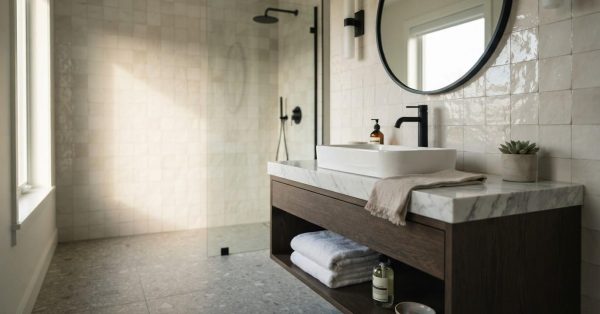
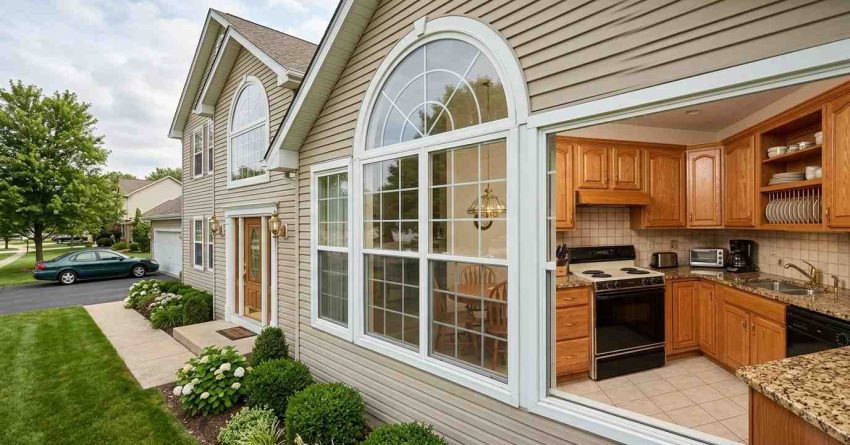
Kitchens reveal age through laminate countertops, oak or cherry cabinets, tile countertops, ornate backsplashes, and white or almond appliances. Bathrooms show their age through colored tubs, pastel tile, vanity lights with exposed bulbs, frameless builder mirrors, and patterned wallpaper. Flooring is another major signal. Wall-to-wall carpet, vinyl sheet flooring, glossy ceramic tile, and uneven hardwood patches all suggest a home stuck in the past. Thoughtful kitchen and bathroom remodeling decisions combined with floor replacement deliver the largest visual transformation in any home.
Small Upgrades That Quickly Modernize a Property
Not every dated home needs a full renovation. Strategic, lower-cost upgrades often deliver the most visible improvement. Replacing cabinet hardware, updating light fixtures, repainting walls, removing popcorn ceilings, and installing simple white trim can transform a space in days. Adding modern flooring upgrades, upgrading interior doors, and refreshing landscaping further sharpen the property’s modern appeal. These targeted improvements help homeowners and property managers maintain value without the cost and disruption of full remodels.
Conclusion
Outdated homes share clear patterns: worn finishes, aged fixtures, tired flooring, and design choices from earlier decades. Identifying these signs early helps owners prioritize the right fixes.
For homeowners, landlords, and property managers, modernization protects value, attracts tenants and buyers, and reduces long-term repair costs across residential and commercial properties.
We help you modernize every corner of your property with trusted local professionals. Contact Mr. Local Services today to refresh, repair, and revive your home.
Frequently Asked Questions
What is the biggest sign a home looks outdated?
Old paint and yellowed walls are the strongest visual signals. They make every other dated element appear worse and instantly age a property.
Do popcorn ceilings make a home look old?
Yes. Popcorn ceilings are strongly tied to homes built before the 1990s and immediately signal age, even when the rest of the room is updated.
What upgrade modernizes a home the fastest?
Fresh interior paint in current neutral colors delivers the fastest, most affordable modern transformation across walls, trim, ceilings, and doors.
Are hardwood floors considered outdated?
No, hardwood remains modern. Outdated flooring typically includes wall-to-wall carpet, vinyl sheet flooring, and glossy ceramic tile with dated patterns.
How often should homeowners update their interiors?
Most experts recommend refreshing paint, fixtures, and lighting every seven to ten years to keep interiors looking current and well-maintained.