The three types of plumbing in most homes and commercial buildings are potable water plumbing, sanitary plumbing, and stormwater plumbing. Each system handles a specific job: delivering clean water in, carrying waste out, and removing rainwater away from the property. Together, these three systems keep your home safe, sanitary, and structurally sound. Understanding how each one functions helps homeowners and property managers spot issues early and make smart maintenance decisions.
The Three Main Types of Plumbing Systems
Plumbing is divided into three primary systems based on function. Potable water plumbing supplies clean drinking water under pressure. Sanitary plumbing, also called the drain-waste-vent (DWV) system, removes wastewater and sewer gases. Stormwater plumbing channels rainwater and runoff away from the building. Each system uses different pipes, materials, and codes.
Potable Water Plumbing (Supply System)
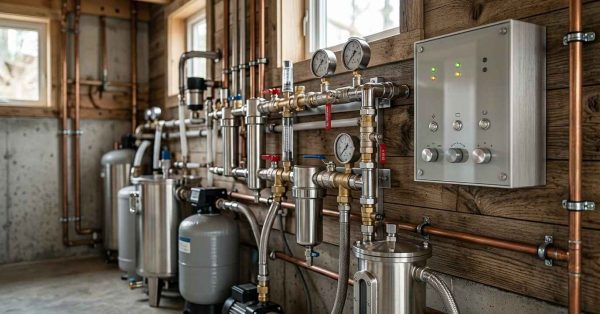
Potable water plumbing brings pressurized, treated water into your property from a municipal main or private well. It splits into two lines once inside: cold water travels directly to fixtures, and a portion routes through the water heater for hot water delivery. Pipes are typically copper, PEX, or CPVC because these materials resist corrosion and meet drinking water safety standards. Shut-off valves at each fixture and a main valve at the entry point allow you to isolate sections during repairs.
Sanitary Plumbing (Drain-Waste-Vent System)
The sanitary system, or DWV, removes used water and human waste from sinks, toilets, tubs, and appliances. It relies on gravity rather than pressure, which is why drain pipes slope downward toward the sewer line or septic tank. Vent pipes extend through the roof to release sewer gases and equalize air pressure inside the drain lines. Without proper venting, drains run slowly and traps lose their water seal, allowing odors indoors.
Stormwater Plumbing
Stormwater plumbing manages rain, snowmelt, and surface runoff. Gutters, downspouts, French drains, and yard drains direct water to a stormwater sewer, dry well, or a safe discharge point away from the foundation. This system is fully separate from sanitary plumbing in modern construction. Poor stormwater drainage leads to basement flooding, foundation cracks, and soil erosion, making this system critical for long-term property protection.
That answers what each system does. The next layer most homeowners want to understand is the common plumbing problems homeowners face and how those issues trace back to one of these three systems.
How Each Plumbing System Works in Your Home
Inside your walls, the three systems run on parallel paths and never mix. The supply system operates under city or pump pressure, pushing water upward to every floor. The DWV system relies on gravity and venting, which is why routine drain and vent maintenance keeps wastewater moving smoothly. Stormwater piping sits outside the building envelope or runs through dedicated channels in larger properties. Cross-connections between any of these systems are strictly prohibited by plumbing codes because contamination risks are serious.
Why These Systems Must Stay Separated
Mixing potable water with drain or storm lines creates a backflow hazard. Backflow preventers, air gaps, and code-required clearances protect drinking water from contamination. Licensed plumbers test these safeguards during inspections, especially in commercial buildings and properties with irrigation systems.
When to Call a Professional Plumber
Minor clogs and dripping faucets are often DIY-friendly. Anything involving the main water line, sewer line, water heater installation, or hidden leaks should go to a licensed plumber. Permits, code compliance, and pressure testing matter for safety and resale value. Reliable professional plumbing services available cover diagnostics, repairs, fixture replacement, and system upgrades across all three plumbing types, giving property owners one dependable point of contact.
Conclusion
The three types of plumbing—potable water, sanitary DWV, and stormwater—each serve a distinct role in keeping your property safe, functional, and protected. Understanding how they work helps homeowners and property managers prevent costly damage and plan smarter maintenance schedules.
For trusted, end-to-end plumbing solutions across every system in your property, contact Mr. Local Services today and connect with vetted local experts ready to help.
Frequently Asked Questions
What is the most common type of plumbing in homes?
Potable water plumbing using PEX or copper supply lines is most common in modern U.S. homes, paired with PVC drain-waste-vent piping for sanitary drainage.
Are sanitary and stormwater plumbing ever combined?
Modern building codes require them separated. Some older municipalities still have combined sewer systems, but new construction always uses fully independent stormwater drainage.
What materials are used for each plumbing type?
Supply lines use copper, PEX, or CPVC. DWV systems use PVC or cast iron. Stormwater plumbing typically uses PVC, HDPE, or corrugated drainage pipe outdoors.
Can I install plumbing myself?
Minor fixture swaps are DIY-friendly, but supply line work, sewer connections, and gas-related plumbing require licensed professionals to meet code and pass inspection.
How often should plumbing systems be inspected?
A full plumbing inspection every two years is recommended, with annual checks for water heaters, sump pumps, and stormwater drainage before heavy rain seasons.