
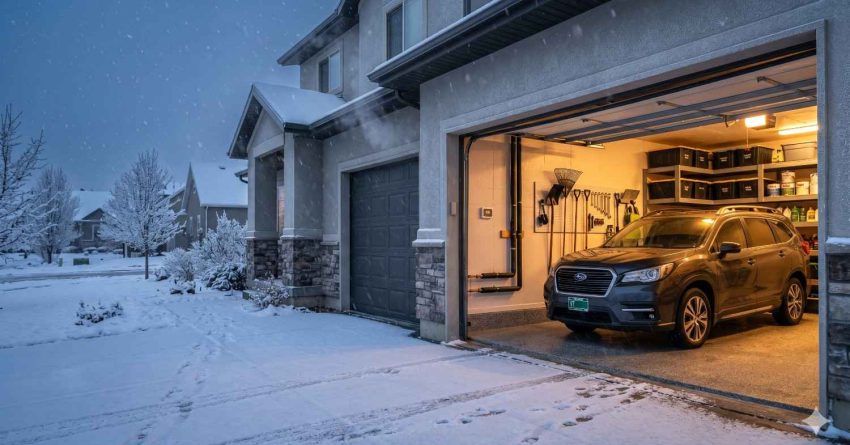
A good temperature for a garage in winter is between 40°F and 50°F. This range protects stored items, prevents pipes from freezing, and keeps the space functional without wasting energy on heating an unconditioned area. For homeowners and property managers across the USA, maintaining this window balances safety, comfort, and cost. The exact target depends on whether the garage is attached, detached, insulated, or used as a workspace. Setting the right temperature is the first step toward year-round garage protection.
The Ideal Winter Garage Temperature
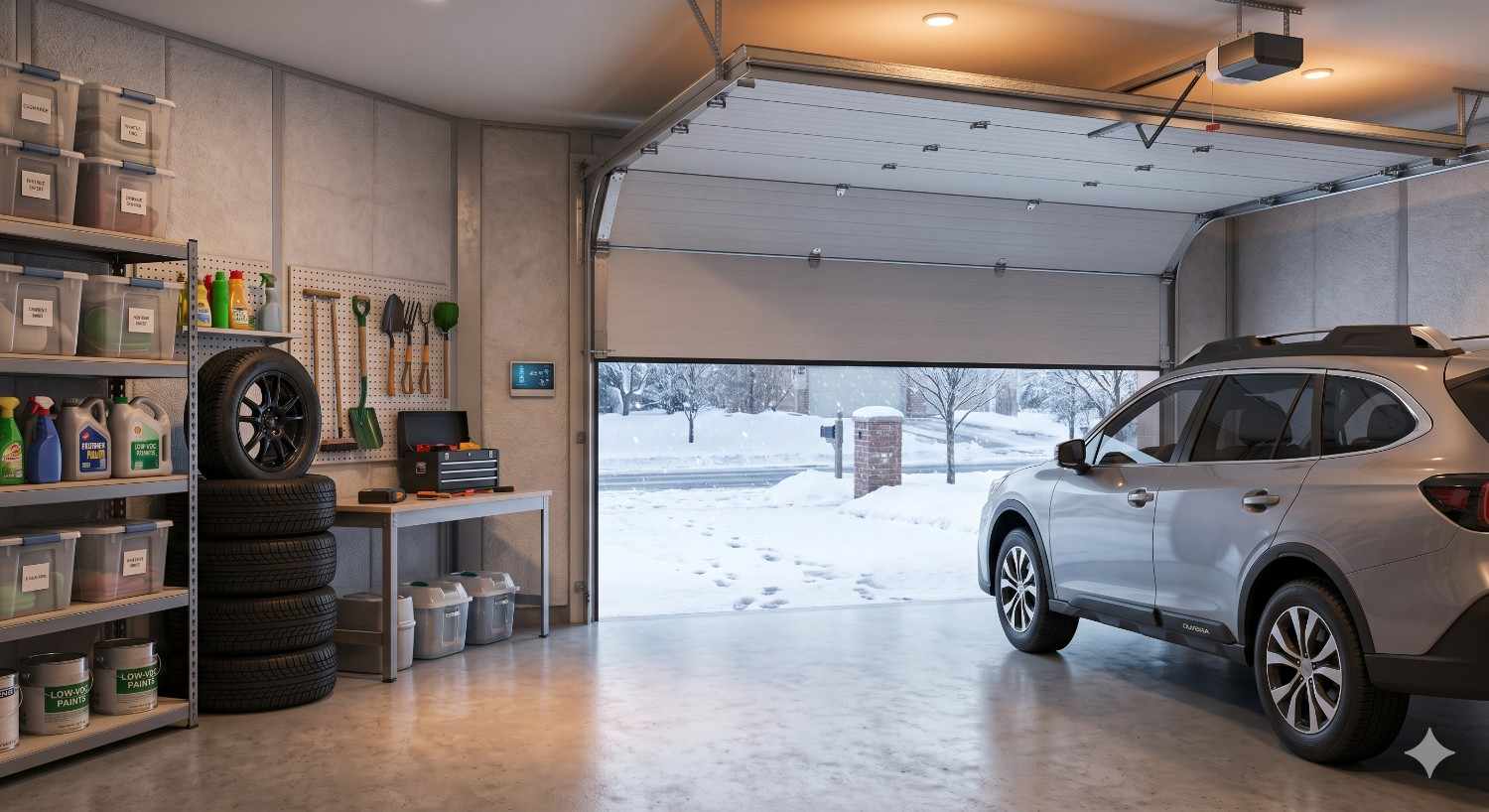
Keep your garage between 40°F and 50°F during winter. This range stays above the freezing point of water, protecting plumbing lines, vehicle fluids, paints, and stored chemicals. It also prevents condensation damage on tools and metal surfaces. Heating beyond 50°F is rarely necessary unless the garage doubles as a workshop or living space.
Recommended Temperature Range
The 40°F to 50°F target works for most residential garages. Anything below 35°F risks frozen pipes, cracked battery cases, and damaged paint cans. Anything above 55°F wastes energy unless the space is occupied. If you store temperature-sensitive items like wine, electronics, or medication, aim closer to 50°F. Workshop garages used daily can be heated to 60°F during active hours, then dropped back to 45°F overnight to control utility costs.
Why This Range Matters
Cold garages affect more than comfort. Water lines running through attached garage walls can freeze and burst below 32°F, causing serious water damage. Vehicle batteries lose up to 50% of their cranking power in freezing temperatures. Adhesives, caulks, and latex paints become unusable when stored below 40°F. Maintaining a steady 40°F to 50°F window protects your property, extends the life of stored equipment, and reduces the risk of cold-weather emergencies that require urgent repair calls.
How to Maintain a Safe Garage Temperature in Winter
Holding that temperature range starts with proper garage insulation and ends with the right heating setup. Most garages lose heat through uninsulated doors, gaps around framing, and thin walls shared with the outdoors.
Insulation and Air Sealing
Insulating the garage door, walls, and ceiling is the most effective single upgrade. An insulated garage door alone can raise interior temperatures by 10°F to 15°F without any active heating. Seal gaps along the door frame, service door, and any wall penetrations. Weatherstripping the bottom seal blocks drafts that quickly cool the slab. Combined, these steps cut heat loss significantly and reduce the load on whatever heat source you use.
Heating Options for Garages
When insulation alone is not enough, a dedicated garage heater provides controlled warmth. Electric ceiling-mounted units, propane radiant heaters, and natural gas forced-air heaters are the most common choices. Size the unit to the garage’s square footage and ceiling height. Always install carbon monoxide detectors when using fuel-burning heaters, and never use kerosene or unvented propane heaters in enclosed spaces without proper ventilation.
Special Considerations for Attached vs. Detached Garages
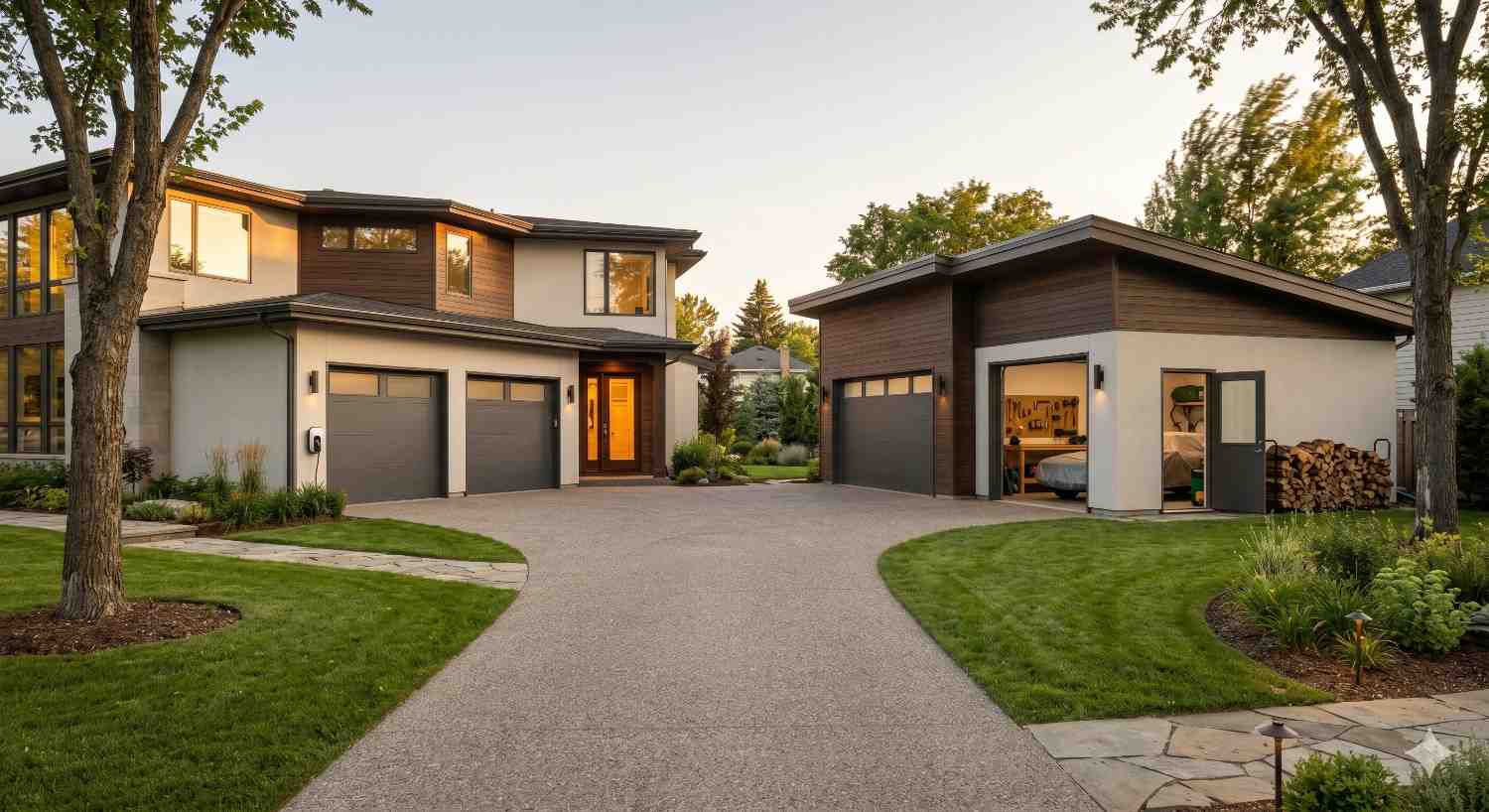
Attached garages share at least one wall with the home, which naturally keeps them warmer. They typically sit 10°F to 20°F above outdoor temperatures with no added heat. Detached garages cool faster and may need active heating to stay above freezing in northern climates. If your detached garage houses a vehicle, water source, or finished workshop, treat it as a separate climate zone with its own insulation plan, heat source, and thermostat control.
Conclusion
A garage temperature between 40°F and 50°F protects your property, equipment, and plumbing through every winter month without inflating utility bills.
For homeowners, landlords, and property managers, garage climate control is one piece of a larger winterization plan that includes preventing frozen pipes throughout the property.
We make winter-ready properties simple. Contact Mr. Local Services today to schedule insulation, heating, and seasonal protection from trusted local pros.
Frequently Asked Questions
Is 30°F too cold for a garage in winter?
Yes. At 30°F, water pipes can freeze, vehicle batteries weaken, and stored paints or chemicals can be permanently damaged. Aim for at least 40°F.
Should I heat my garage in winter?
Heat it if temperatures drop below 35°F, if pipes run through the walls, or if the space is used as a workshop. Otherwise, insulation is often enough.
Will a heated garage save my car battery?
Yes. Keeping the garage above 40°F preserves battery cranking power, prevents oil thickening, and reduces engine wear during cold starts.
How cold can an attached garage get?
Attached garages typically stay 10°F to 20°F warmer than outdoor temperatures. In northern climates, they can still drop below freezing without insulation.
What temperature prevents pipes from freezing in a garage?
Keep the garage above 40°F. This provides a safe buffer against freezing, even during sudden overnight temperature drops or short heating system failures.