
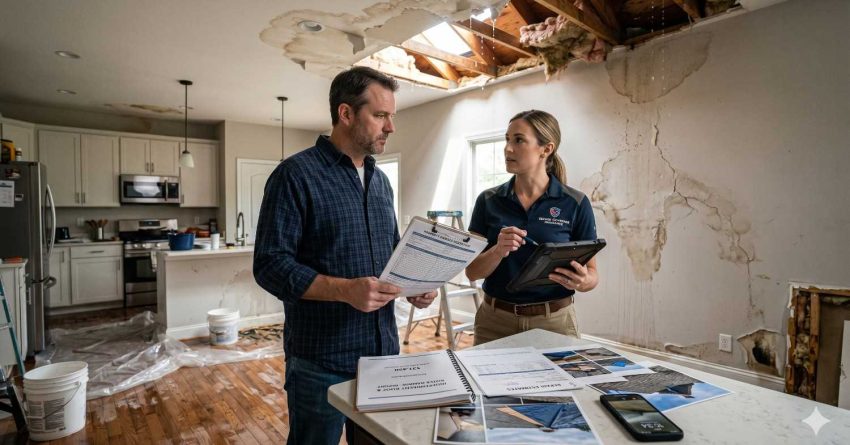
Never admit fault, speculate about damage causes, downplay losses, accept the first offer, or give a recorded statement without preparation when speaking with a homeowners insurance adjuster. Adjusters work for the insurance company, and every word you share can shape your final payout. Knowing what to avoid saying protects your claim, preserves your settlement value, and prevents simple mistakes from reducing what you legitimately deserve after property damage or loss.
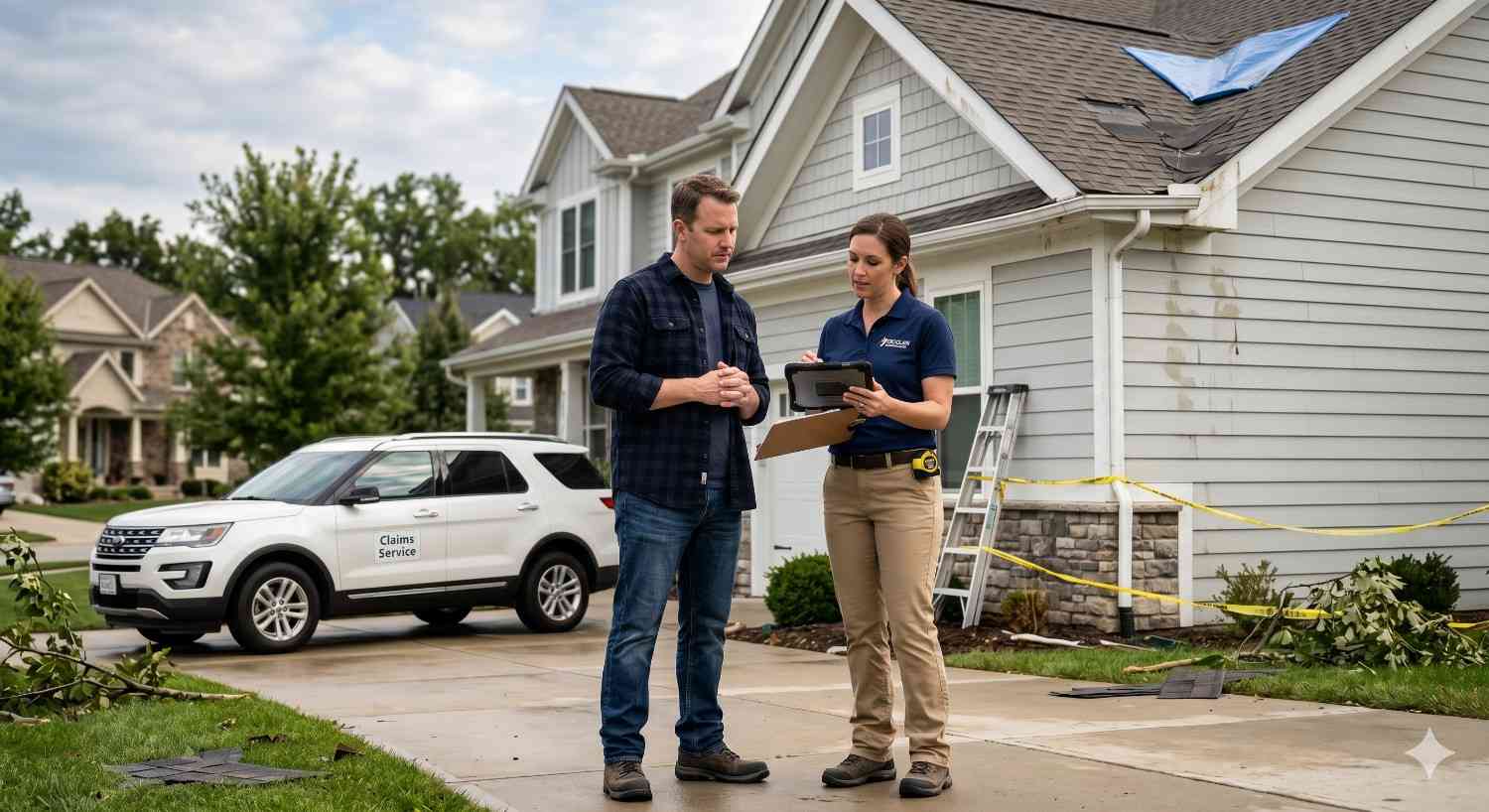
Things You Should Never Say to a Homeowners Insurance Adjuster
Avoid five phrases when speaking with an adjuster: “It’s my fault,” “I’m not hurt or stressed,” “I think the damage was caused by…,” “I accept your offer,” and “Yes, you can record this.” These statements either admit liability, minimize your loss, speculate beyond your knowledge, lock in a low settlement, or hand the adjuster ammunition to dispute your claim later.
“It’s My Fault” or Admitting Liability
Never accept blame, even partially. Saying “I should have fixed that pipe sooner” or “I knew the roof was old” gives the adjuster grounds to deny coverage based on neglect. Stick to facts: what happened, when it happened, and what damage resulted. Let the investigation determine cause, not your guess. Maintenance issues and sudden events are treated very differently under most homeowners policies.
“I’m Fine” or Downplaying Damage
Saying “it’s not that bad” or “just a small leak” can permanently lower your settlement. Damage often appears minor on the surface while hiding extensive harm behind walls, under flooring, or inside ceilings. Describe what you see without minimizing it. Hidden moisture, structural weakness, and mold often surface days or weeks after the initial event, and early downplaying limits your claim.
The mechanics of an adjuster conversation matter as much as the content. The next layer is understanding how words become evidence, and why properly documented damage evidence shapes the outcome more than any verbal statement.
How Adjusters Use Your Words Against Your Claim
Adjusters are trained to ask open-ended questions that invite speculation, casual admissions, and emotional responses. Friendly tone aside, every answer is documented. Phrases like “I guess,” “probably,” or “I’m not sure but” become written uncertainty in the claim file. Insurance carriers use these notes to justify lower offers, partial denials, or coverage exclusions, especially when policy language allows interpretation.
Recorded Statements and Loaded Questions
You are not legally required to give a recorded statement in most states. Politely decline until you have documented the damage and reviewed your policy. Questions like “Was this area already damaged?” or “Have you had similar issues before?” are designed to introduce doubt. Answer only what you know with certainty. If unsure, say “I’ll provide that information in writing after reviewing my records.”
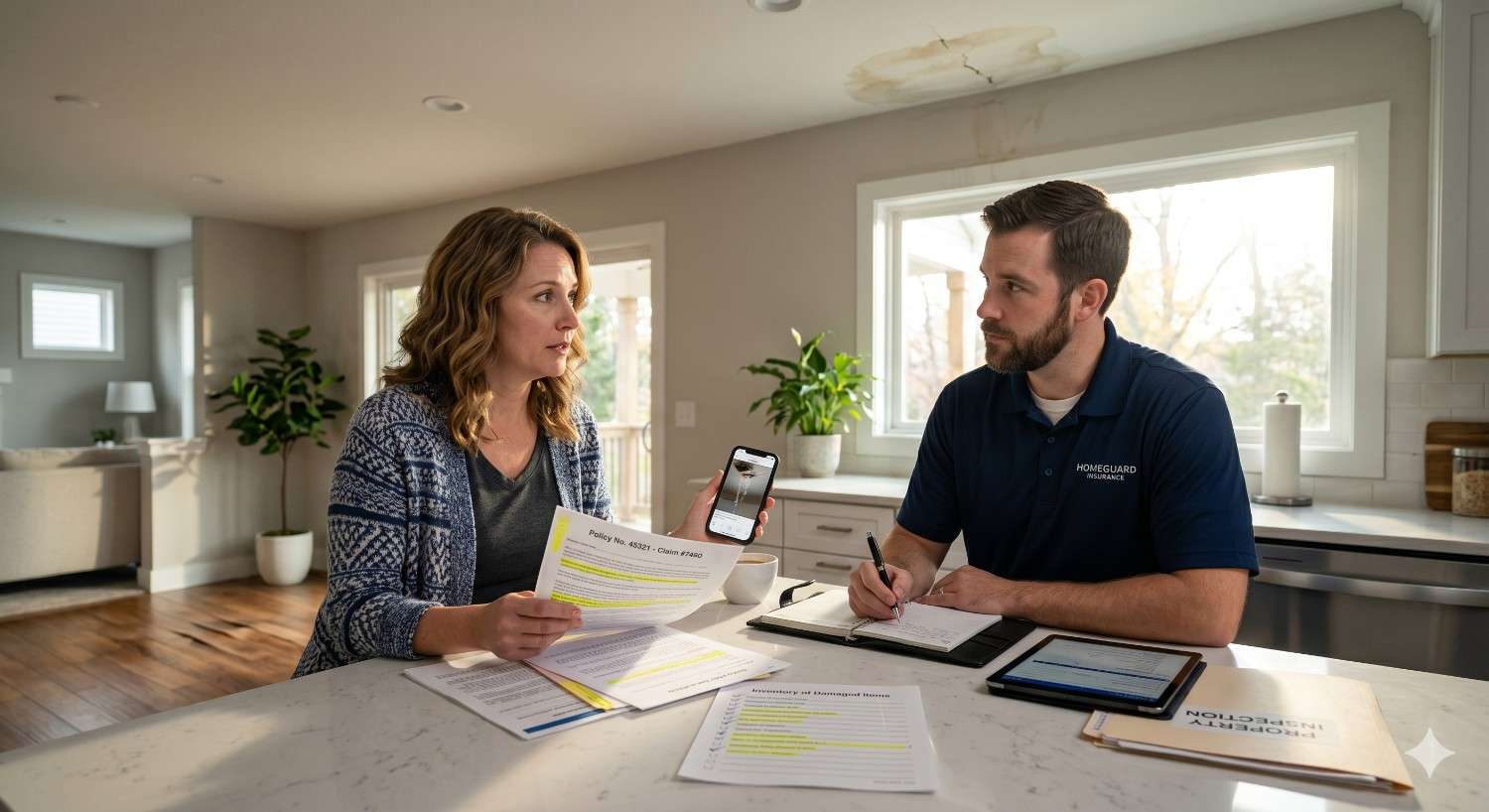
What to Say Instead to Protect Your Claim
Keep your responses factual, brief, and documentation-driven. State what happened, when you discovered it, and the visible damage. Provide photos, repair estimates, and receipts. If water damage is involved, request professional water damage restoration before signing anything, since hidden moisture often expands the claim scope.
For roof claims, request a certified roof inspection from an independent contractor. Independent reports often reveal damage adjusters overlook, strengthening your settlement position.
Conclusion
Protecting your homeowners insurance claim starts with discipline in conversation. Avoid admitting fault, speculating, downplaying damage, or accepting the first offer without review.
Smart homeowners, landlords, and property managers treat every adjuster interaction as part of the claim record, supported by documentation, professional inspections, and independent repair estimates that confirm true loss value.
We help you prepare, document, and restore your property with trusted professionals. Contact Mr. Local Services today for reliable inspections, repairs, and restoration support.
Frequently Asked Questions
Should I give a recorded statement to my homeowners insurance adjuster?
You are usually not required to. Politely decline until you document damage, review your policy, and prepare factual, written responses to specific questions.
Can an adjuster deny my claim based on what I say?
Yes. Casual admissions of fault, neglect, or pre-existing damage can justify partial denials, lower settlements, or coverage exclusions under your policy terms.
Should I accept the first settlement offer from the adjuster?
No. First offers are often low. Request the damage report, compare independent estimates, and negotiate based on documented repair costs before accepting.
Is the homeowners insurance adjuster on my side?
No. Adjusters work for the insurance company. Their goal is closing claims efficiently and minimizing payouts within policy limits, not maximizing your settlement.
What should I do before the adjuster arrives at my home?
Photograph all damage, list lost items, gather receipts, get independent repair estimates, and review your policy coverage so your answers stay factual.