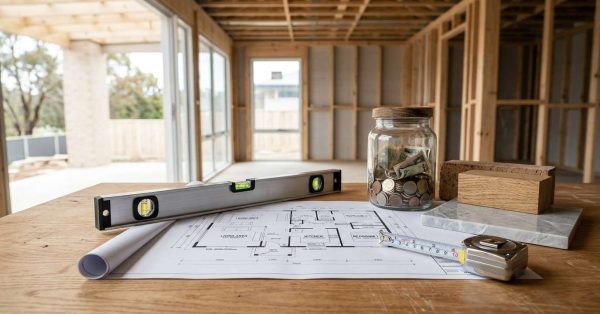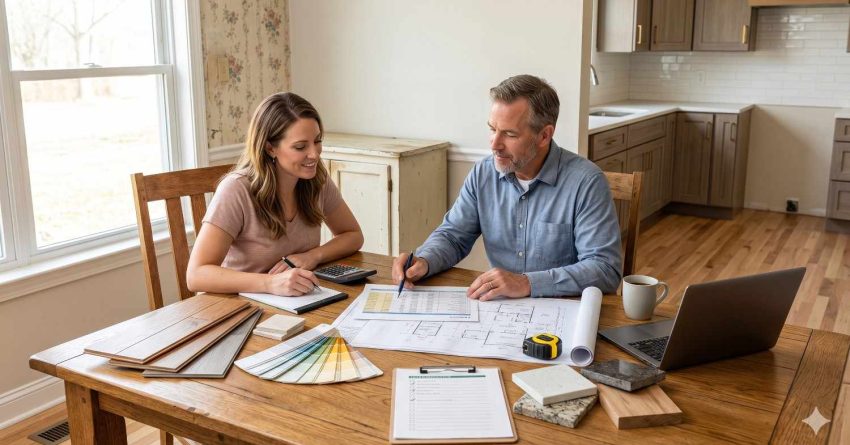
You save money when remodeling by planning the full scope before work begins, setting a realistic budget with a built-in contingency, hiring vetted professionals, and choosing materials that balance quality with cost. Smart remodeling is not about cutting corners. It is about avoiding rework, change orders, and surprise expenses. Homeowners and property managers who prepare carefully often spend 15% to 25% less than those who improvise as the project unfolds.
Smart Ways to Save Money When Remodeling
The fastest way to save money on a remodel is to define every detail upfront, get multiple written quotes, prioritize high-impact upgrades, and avoid mid-project design changes. Clear scope prevents wasted labor, duplicate orders, and costly rework, which are the three biggest sources of overspending in residential and commercial remodeling projects.
Most cost overruns trace back to vague planning, not expensive materials. When homeowners commit to finishes, layouts, and fixtures before demolition begins, contractors can sequence labor efficiently and order materials in one pass. Property managers benefit even more, because predictable budgets keep tenant disruptions and turnover costs under control.
Plan the Full Scope Before You Start
Walk through every room, surface, and system the project will touch. Document fixtures, finishes, dimensions, and any structural concerns. A complete scope document lets contractors quote accurately and prevents the slow drip of small additions that inflate budgets by thousands. Include lighting, paint colors, hardware, and flooring transitions. The smaller the decision left for later, the smaller your final invoice tends to be.
Set a Realistic Budget With a Contingency
Build your budget around firm quotes, not internet averages. Add a 10% to 20% contingency for hidden issues like outdated wiring, water damage, or subfloor repairs. This buffer turns surprises into manageable line items instead of project-stopping crises. Track every expense in one document, separating must-haves from nice-to-haves so trade-offs stay visible when costs shift mid-project.
Once your scope and budget are locked, the next decision drives the largest share of your savings: how a qualified remodeling contractor prices the work.
Where Homeowners Overspend (and How to Avoid It)
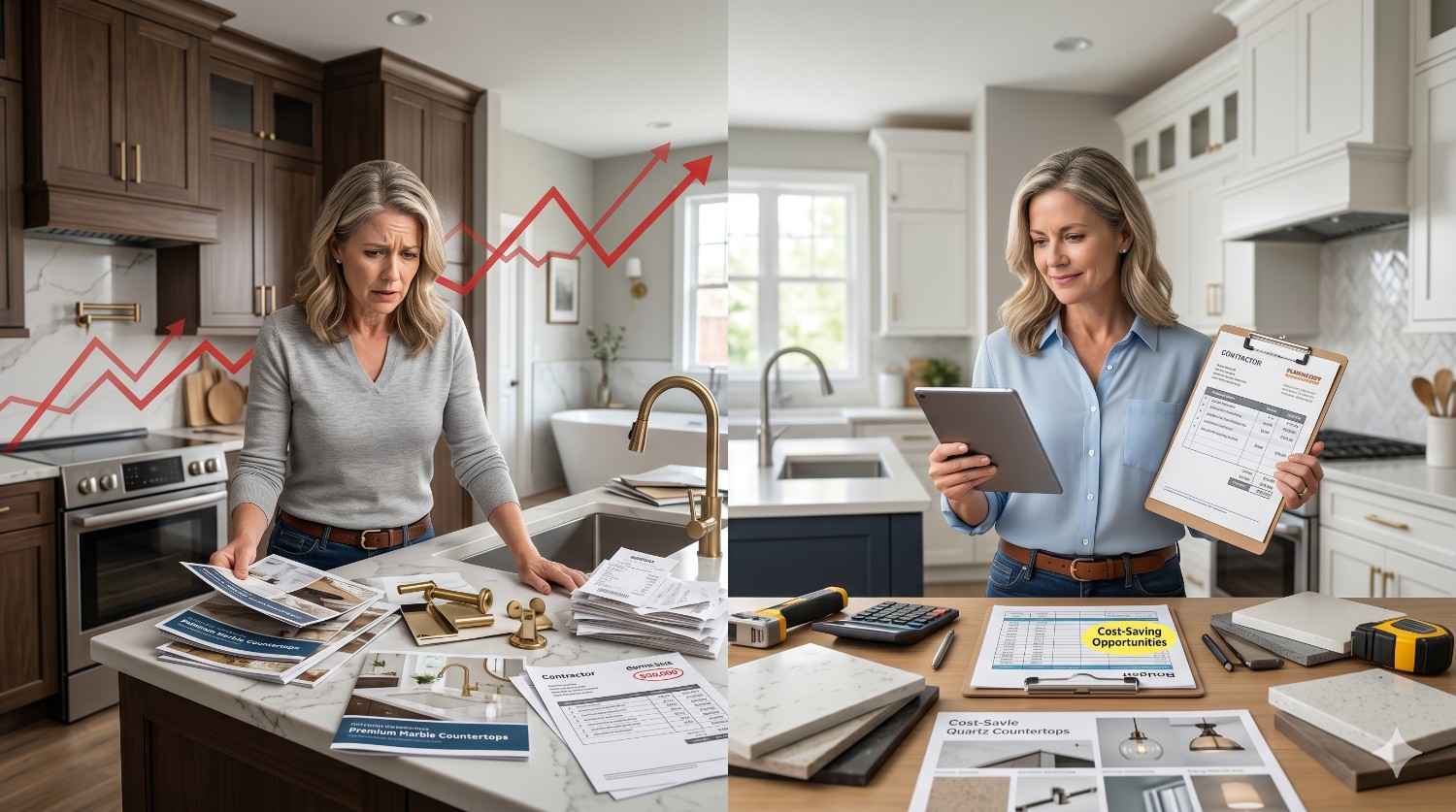
Overspending usually starts with three habits: hiring the cheapest bidder, changing decisions mid-project, and buying premium materials in low-impact areas. The cheapest bid often skips permits, uses junior labor, or excludes prep work, which forces expensive corrections later. Mid-project changes trigger restocking fees, idle labor hours, and rescheduling costs that quickly erase early savings.
Focus premium budget on surfaces and systems you touch daily, such as countertops, faucets, and flooring in main living spaces. Use mid-tier materials in closets, laundry rooms, and guest areas where wear is lower and resale impact is minimal.
Choosing the Right Contractor and Materials
Get at least three written quotes with line-item breakdowns. Confirm licensing, insurance, and recent references in your area. Ask each contractor what is excluded from the bid, because exclusions are where surprise costs live. For materials, request samples and verify lead times before ordering. Delays on backordered tile or cabinets often cost more than the materials themselves through extended labor schedules.
Smart Trade-Offs: DIY vs. Professional Work
DIY saves money only when the task matches your skill, tools, and time. Painting, demolition prep, hardware swaps, and basic landscaping are reasonable owner tasks. Plumbing, electrical, structural, and HVAC work require licensed professionals, both for safety and for resale documentation. Many remodels balance the budget by combining professional trades with smaller upgrades a skilled handyman can handle, such as trim work, fixture installs, and minor drywall repair.
Conclusion
Saving money on a remodel comes from disciplined planning, accurate budgeting, vetted professionals, and material choices that match each room’s purpose. These habits protect both quality and long-term property value.
For homeowners, landlords, and property managers, smart remodeling is an investment in safety, function, and resale strength, not just a short-term upgrade.
We help you plan, price, and complete every project with confidence. Connect with Mr. Local Services today and remodel smarter from day one.
Frequently Asked Questions
What is the cheapest way to remodel a house?
Focus on cosmetic upgrades like paint, hardware, lighting, and refinishing existing surfaces. These changes refresh a space at a fraction of full renovation cost while preserving structural elements.
How much should I budget for unexpected remodeling costs?
Set aside 10% to 20% of your total budget as a contingency. Older homes lean toward the higher end due to hidden wiring, plumbing, or moisture issues uncovered during demolition.
Is it cheaper to remodel one room at a time?
Not usually. Bundling rooms reduces mobilization fees, permit costs, and contractor downtime. Phased remodeling makes sense only when cash flow or occupancy schedules require it.
When should I hire a contractor instead of doing it myself?
Hire professionals for plumbing, electrical, structural, roofing, and HVAC work. These trades require permits, inspections, and licensed expertise to protect safety and property value.
Do remodels increase home value enough to justify the cost?
Kitchens, bathrooms, and curb appeal upgrades typically return the strongest value. Focus on functional improvements buyers expect rather than highly personalized design choices.