The highest paid cleaners typically work in specialized fields like crime scene cleanup, industrial cleaning, or medical facility sanitation, often earning $25 to $50+ per hour. These roles demand certifications, hazardous material handling skills, and tolerance for difficult working conditions. Standard residential cleaners earn considerably less on average, though skilled specialists in that space still command solid pay.
What Is the Highest Paid Cleaner?
Crime scene and biohazard cleaners sit at the top of the pay scale. They handle trauma scenes, hoarding situations, and hazardous waste, which requires strict safety training and specialized equipment. This work isn’t for everyone. It demands emotional resilience alongside technical skill.
Industrial cleaners working in factories, chemical plants, or power facilities follow close behind. They often earn premium wages for handling toxic materials safely and operating heavy-duty equipment most general cleaners never touch.
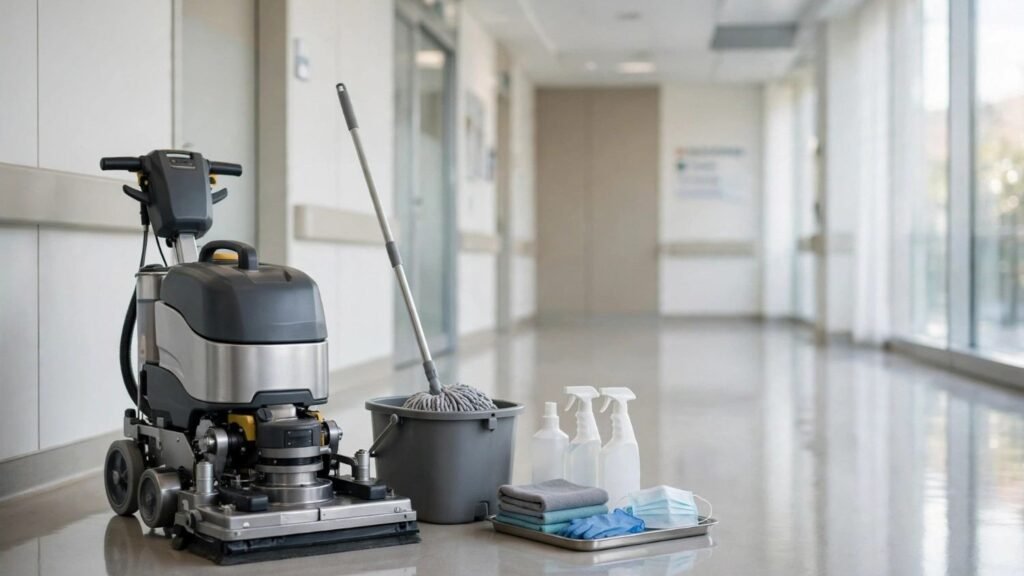
Medical facility cleaners, especially those certified in infection control, also command higher pay. Hospitals and labs require precision, documentation, and strict compliance with health codes. One mistake can carry serious consequences, and pay reflects that responsibility.
Specialized Cleaning Roles That Pay the Most
Biohazard remediation specialists, industrial equipment cleaners, and high-rise window cleaners consistently top pay charts. These jobs require physical endurance, technical training, and often state-specific licensing.
I’ve seen pay differences of $15 an hour between general cleaning and specialized hazard work. Window cleaners working on skyscrapers earn hazard pay for working at extreme heights. Industrial cleaners handling chemical residue earn more for the same reason.
Why Experience and Certification Drive Higher Pay
Certifications in OSHA safety standards, hazardous waste handling, or infection control push hourly rates up significantly. Training isn’t optional in these fields. It’s the baseline requirement before anyone gets hired.
Experience matters too. A cleaner with five years in biohazard work earns far more than someone just starting out. Employers pay for proven reliability in high-risk environments where mistakes are costly, and safety is non-negotiable.
Understanding what top-tier cleaners earn naturally raises a different question. What does this mean when you’re booking a professional cleaning service for your own home or property?
How This Affects What You Pay for Cleaning Services
Specialized skills cost more, and that logic carries into residential pricing too. A standard home cleaning differs greatly from a post-construction cleanup or a move-out deep clean requiring extra labor and equipment.
We price jobs based on complexity, not just time spent. A job requiring protective gear, specialized tools, or hazard handling costs more than a routine dusting and vacuuming visit.
Factors That Influence Your Cleaning Quote
Property size, cleaning frequency, and the level of detail requested all shape your price. Homes needing sanitation-level cleaning, pet odor removal, or heavy buildup removal cost more than routine upkeep.
Access and condition matter too. Cluttered spaces, pest issues, or extensive water damage all add time and complexity. We factor in the same principles that drive professional pay rates when quoting your actual cleaning quote, matching the right skill level to your specific job.
High-Paid Cleaning vs. Standard Cleaning Services
Standard cleaning covers dusting, vacuuming, and surface sanitizing for regular upkeep. It’s affordable, recurring, and doesn’t require special certifications. Most homes only need this level of service on a weekly or biweekly basis.
Specialized cleaning, like biohazard or industrial work, involves certified technicians, protective equipment, and strict safety protocols. It costs more because the stakes and skill requirements are higher.
Most homeowners only need standard service, but some situations call for a deeper, specialized cleaning job, especially after water damage, renovations, or extended vacancy. Knowing the difference helps you choose the right service instead of overpaying or underestimating what a job needs.
Conclusion
The highest paid cleaners work in hazardous, specialized fields requiring certification and skill. Their pay reflects real risk, training, and responsibility on the job.
For most properties, routine professional cleaning keeps things safe and well-maintained without specialized pricing or extra complexity involved.
We match you with skilled, vetted cleaning professionals at Mr. Local Services. Reach out today to get started.
Frequently Asked Questions
What type of cleaner makes the most money?
Biohazard and crime scene cleaners earn the most, often making $25 to $50+ per hour due to hazardous conditions and required certifications.
Do cleaning companies pay more than independent cleaners?
It varies. Independent cleaners sometimes earn more per job, while companies offer steadier hours, benefits, and consistent client volume overall.
Is cleaning a good career financially?
Yes, especially in specialized niches like industrial or medical cleaning, where certifications and experience significantly boost earning potential over time.
What state pays cleaners the highest wages?
States with higher costs of living, like California and New York, typically offer the highest average pay for professional cleaners.
How can I increase my pay as a cleaner?
Earning safety certifications, specializing in hazardous or industrial cleaning, and gaining field experience are the fastest ways to increase hourly pay.