Handymen cost more than people expect because their rates cover far more than the hour they spend at your house. We’re paying for licensing, insurance, tools, and the years of experience that let them fix things right the first time. A $200 repair might only take 30 minutes, but that price reflects training, reliability, and overhead most homeowners never see.
The Real Cost Breakdown Behind Handyman Pricing
A handyman’s hourly rate typically runs $60 to $125, depending on the job and region. That number isn’t arbitrary. It accounts for insurance coverage, vehicle and fuel costs, tool maintenance, and the time spent sourcing materials before they ever knock on your door.
We’ve found that homeowners often compare this rate to a neighbor’s teenager mowing lawns, and that’s not a fair comparison. A licensed handyman carries liability coverage that protects your property if something goes wrong mid-repair.
Labor, Licensing, and Insurance Costs
Licensing fees, continuing education, and liability insurance all get baked into labor rates. We carry this overhead so you don’t inherit the risk if a repair causes unexpected damage.
Insurance alone can run thousands per year for a small operation. That cost gets distributed across every job, not charged as a separate line item you’d notice.
Tools, Materials, and Overhead Expenses
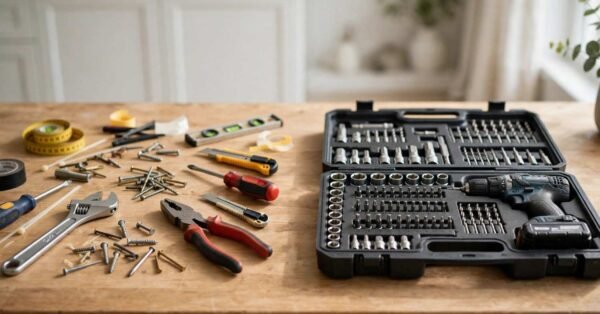
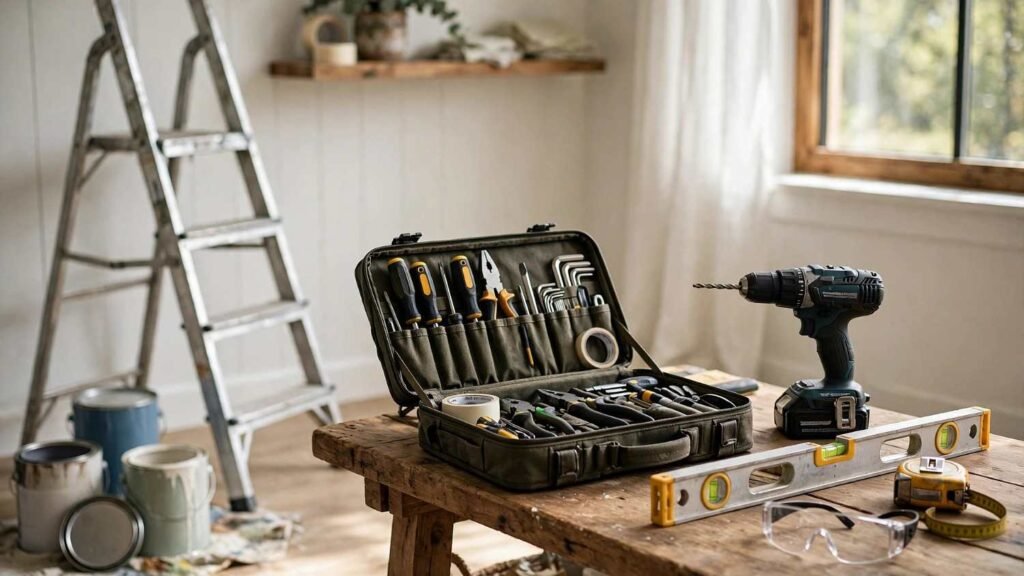
Professional-grade tools aren’t cheap, and they wear out. A quality drill, saw, or diagnostic tool represents a real investment that has to be replaced every few years.
Fuel, vehicle maintenance, and even the time spent driving between jobs all factor into the final bill. None of this is visible labor, but all of it is real cost.
Understanding the specific repair or task you need done helps clarify which of these cost factors apply most directly to your situation.
Why Small Jobs Often Cost More Than Expected

Small jobs often feel overpriced because the task itself takes five minutes, but the visit doesn’t. Diagnosing the problem, traveling to your home, and loading the right tools all happen before any actual repair work starts.
We set minimum service fees because showing up for a tiny job still costs the same in gas, time, and scheduling as a bigger one.
The Trip Charge and Minimum Service Fee Explained
Most handyman services charge a minimum fee, often $75 to $150, regardless of how quick the fix turns out to be. This covers the visit itself, not just the repair time.
Bundling smaller tasks into a single visit is the most reliable way to avoid paying multiple trip charges for separate issues.
How to Get Fair Value for What You Pay
Getting fair value starts with clear expectations before work begins. Ask what’s included in the quoted price, whether materials are extra, and how long the job should realistically take.
A trustworthy provider explains pricing upfront rather than surprising you afterward. Requesting a detailed quote before work begins gives you a clear baseline to compare against other providers.
Transparency is what separates a fair price from an inflated one.
Conclusion
Handyman rates reflect real costs: licensing, insurance, tools, and the overhead of running a reliable service. The price isn’t just for the hour worked.
Understanding these factors helps homeowners and property managers budget realistically for repairs and maintenance. It also makes comparing providers much easier.
We built Mr. Local Services to keep this pricing transparent from the first quote. Reach out and see exactly what you’re paying for.
Frequently Asked Questions
Is it normal to pay a minimum fee even for a small repair?
Yes. Minimum fees cover travel, diagnosis, and scheduling time, not just the repair itself. Most providers charge $75 to $150 minimum per visit.
Why do handymen charge more than a general contractor per hour?
Handymen often handle smaller, varied jobs that require broad skill sets. Their rates reflect versatility and the overhead of juggling many service types.
Does the cost include materials?
Sometimes. Many handymen charge labor separately from materials, so always confirm this before the job starts to avoid surprises.
Can I negotiate handyman pricing?
Bundling multiple tasks into one visit is the most effective way to reduce overall cost. It spreads the trip charge across more work.
How do I know if a quote is fair?
Compare the quote against two or three other licensed providers. Clear, itemized pricing is a strong sign of a trustworthy service.