Yes, $25 an hour is a solid rate for house cleaning in most of the US. It sits right at or slightly above the national average for residential cleaners. I’ve seen this number hold up well across suburban and mid-size markets. It’s fair pay for the physical demands of the job.
Is $25 an Hour a Good Rate for House Cleaning?
$25 an hour falls within the typical range for professional house cleaners in the US, generally $20 to $30 per hour depending on region and experience. It’s considered competitive pay for standard residential work. This rate reflects fair compensation for the physical labor, supplies, and time cleaners invest in each job.
What the National Average Pay Range Looks Like
Most house cleaners earn somewhere between $18 and $35 an hour nationwide. I always tell clients that $25 lands comfortably in the middle of that range. It’s not the lowest rate, and it’s not premium pricing either.
Big cities tend to push rates higher. Rural areas often settle lower. $25 works as a dependable baseline almost anywhere.
How $25/Hour Compares to Entry vs. Experienced Rates
Entry-level cleaners often start around $18 to $20 an hour. Experienced cleaners with specialized skills can charge $30 or more. $25 sits comfortably above entry-level and slightly below top-tier experienced rates.
This makes it a realistic number for cleaners with a year or two of steady work behind them.
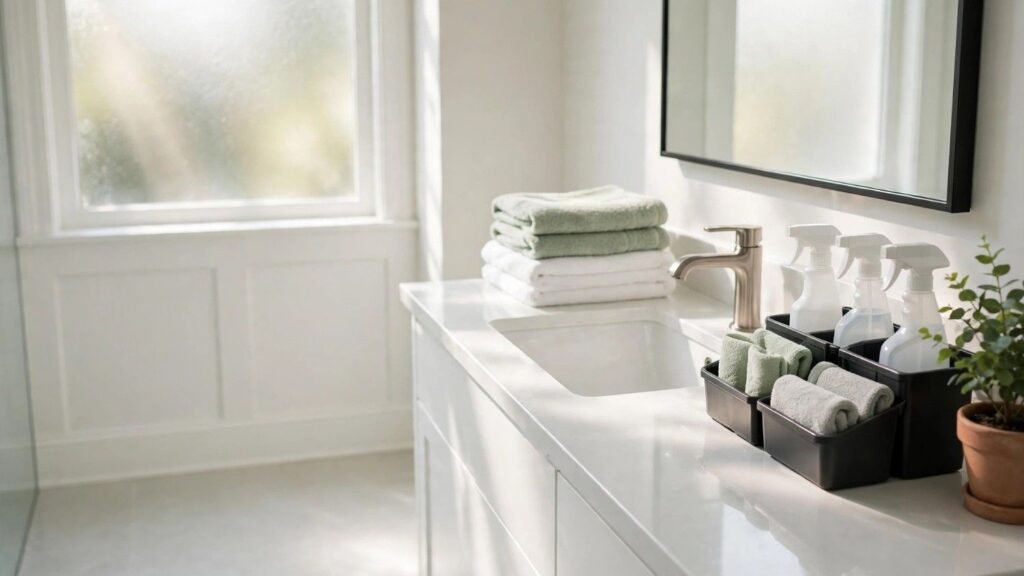
What a full cleaning service typically covers goes beyond just wiping counters.
It includes deep cleaning tasks, appliance interiors, and detailed room-by-room work that justifies the hourly rate.
What Affects Whether $25 an Hour Is Fair Pay

Fair pay depends heavily on where the work happens and what it involves. A $25 rate in a small town stretches further than the same rate in a major metro area. Cost of living shapes what counts as fair compensation.
Location, Experience, and Job Type Factors
Cleaners in high-cost cities like San Francisco or New York often expect $30 to $40 an hour just to match local living expenses. In smaller markets, $25 can feel generous. Experience level matters too.
A cleaner handling move-out deep cleans or post-construction debris earns more than someone doing weekly light tidying. Job complexity directly shapes a fair hourly number.
Hourly Rate vs. Flat-Rate Pricing for Cleaning Services
Hourly pricing works well for unpredictable jobs where the scope isn’t fully clear upfront. Flat-rate pricing suits standard, repeatable jobs like weekly home cleanings. Many homeowners prefer flat rates because the total cost is known before work begins.
A flat-rate cleaning package often bundles standard tasks into one predictable price, which can end up cheaper than hourly billing for larger homes.
Hourly billing makes more sense for one-off deep cleans or unpredictable messes.
Conclusion
$25 an hour holds up as fair, competitive pay for house cleaning across most US markets. It balances cleaner compensation with reasonable homeowner costs.
We understand pricing can still feel confusing when every home and job differs. That’s exactly where expert guidance helps most.
We connect you with trusted, skilled cleaning professionals who price fairly and work reliably. Reach out to Mr. Local Services today to get started.
Frequently Asked Questions
Is $25 an hour too low for house cleaning?
No, $25 an hour sits within the typical national range. It’s considered fair pay, especially outside major metro areas.
What is the average hourly rate for house cleaners in 2025?
Most cleaners earn $20 to $30 an hour nationally, with higher rates common in expensive cities and lower rates in rural regions.
Should I pay hourly or a flat rate for cleaning?
Flat rates work better for predictable, recurring cleanings. Hourly rates suit unpredictable jobs like deep cleans or post-renovation messes.
Does experience affect a cleaner’s hourly rate?
Yes, experienced cleaners with specialized skills typically earn $30 or more per hour, while entry-level cleaners start closer to $18 to $20.
Why do cleaning rates vary so much by city?
Cost of living drives most of the variation. Cleaners in expensive cities charge more to cover higher housing and living expenses.