

I’ve walked through hundreds of homes at every point in the calendar, and the ones that hold up best all share one habit: they clean on a schedule, not just when things look dirty. A proper seasonal cleaning checklist catches small problems, like a clogged dryer vent or a cracked gutter seal, before they turn into expensive repairs.
Skipping seasonal upkeep is how a $150 gutter cleaning turns into a $3,000 water damage claim. Property value, indoor air quality, and safety all ride on the same routine most homeowners put off until something breaks.
I’m covering why seasonal cleaning matters for property health, the specific spring and fall prep work your home needs, holiday-ready cleaning before guests arrive, and how to build a room-by-room schedule that actually sticks year after year.
Why Seasonal Cleaning Matters for Property Health and Value
Seasonal cleaning is a maintenance routine performed at fixed points in the year that addresses weather-driven wear on a property’s systems and surfaces. It exists because homes age differently depending on the season, and each one puts different stress on different parts of the structure.
Winter moisture damages framing. Summer heat stresses HVAC systems. Fall debris clogs gutters before freeze cycles hit. Spring pollen and humidity trigger mold growth in places nobody checks often.
Root Attributes of Seasonal Maintenance
Every seasonal task shares three root attributes: timing, prevention, and inspection. Timing means doing the task before the season’s stress hits, not after damage shows up.
Prevention means the task stops a bigger problem from forming. Inspection means someone actually looks at the component, not just wipes a surface.
Consequences of Skipping Seasonal Upkeep
A clogged dryer vent left unchecked for two seasons is a leading cause of house fires, according to the U.S. Fire Administration, which reports thousands of dryer fires annually tied to lint buildup. That’s not a rare edge case. That’s a predictable outcome of a task nobody put on a calendar.
Unaddressed gutter clogs push water toward the foundation instead of away from it. I’ve seen foundation cracks that started as a $200 gutter clean nobody scheduled for three years straight.
Spring Cleaning Checklist for Homeowners

Spring cleaning resets a home after months of closed windows, running heat, and trapped indoor air. It’s the season when interior air quality and hidden winter damage both need attention at once.
Interior Spring Deep-Cleaning Tasks
I start spring inside, working room by room instead of task by task. Windows get washed inside and out, screens get rinsed, and every closet gets a purge of anything that didn’t get used all winter.
Carpets and rugs need a deep clean now, not a quick vacuum. Winter tracks in salt, dirt, and moisture that settles into fibers and starts breaking them down.
Exterior Spring Inspection Points
Walk the full perimeter of the house and look for winter damage. Cracked caulking around windows, lifted siding, and soft spots near the foundation all show up clearly once snow melts.
Check outdoor faucets for freeze damage before turning them on full force. A cracked pipe behind a spigot floods a wall before anyone notices.
HVAC and Ventilation Spring Reset
Spring is when I switch a system from heating to cooling mode, and that switch needs a fresh filter every time. A dirty filter forces the system to work harder and pushes dust through the whole house.
Air ducts collect a full season of debris by spring. A National Air Duct Cleaners Association report notes indoor air can carry up to five times more pollutants than outdoor air when ducts go uncleaned.
Spring Yard and Exterior Maintenance Priorities
The yard tells the truth about how winter treated a property. Standing water, dead patches, and shifted soil all point to drainage problems that get worse every year they’re ignored.
Landscape and Drainage Checks
Grade the soil around the foundation so water runs away from the house, not toward it. Low spots near the foundation collect water every time it rains and slowly undermine the structure.
Trim back any plants touching the siding. Constant contact traps moisture against the exterior and invites pests looking for an easy entry point.
Roof, Gutter, and Siding Inspection
Clear every gutter and downspout of winter debris before spring rain starts. A single clogged section sends water cascading down siding instead of through the drainage system it’s built for.
Scan the roofline for missing or lifted shingles. Ice and wind both loosen roofing material over winter, and small gaps turn into leaks the first heavy spring storm.
Fall Cleaning Checklist Before Winter Arrives

Fall prep exists to seal a home against cold before the first freeze hits. Every task in this season either traps warm air in or keeps moisture and pests out.
Interior Fall Preparation Tasks
Test every smoke and carbon monoxide detector now, before heating systems start running daily. Furnaces and space heaters cause a spike in CO incidents every winter, and dead batteries are the most common reason detectors fail right when they’re needed.
Deep clean carpets and upholstery before the house closes up for winter. Windows stay shut for months once the cold sets in, and whatever’s trapped in the fibers now stays trapped until spring.
Weatherproofing and Insulation Checks
Check weatherstripping around every door and window. Gaps that seemed minor in summer turn into real heat loss once temperatures drop and heating bills climb.
Inspect attic insulation depth and look for compressed or missing sections. The U.S. Department of Energy notes that proper insulation and air sealing can cut heating and cooling costs by up to 15%.
Fall Exterior and Yard Prep Priorities
Fall exterior work protects a property against the freeze-thaw cycle that does more structural damage than almost anything else in a temperate climate. Water that gets into small cracks now expands every time it freezes.
Gutter and Roof Fall Readiness
Clear every leaf and pine needle out of gutters before the first freeze. A gutter clogged with wet leaves holds water that freezes solid and pulls the gutter away from the fascia board.
Check roof flashing around chimneys and vents. Small gaps here let melting snow seep under shingles all winter long.
Tree, Deck, and Outdoor Surface Care
Trim any branches hanging over the roof or power lines. Ice buildup adds weight fast, and a branch that seemed fine in October can snap under a January ice storm.
Clean and seal the deck before winter moisture sets in. Untreated wood absorbs water through freeze-thaw cycles and splits from the inside out.
Holiday Prep Cleaning Checklist

Holiday prep cleaning is a compressed, deadline-driven version of seasonal cleaning built around hosting guests. The priorities shift toward visible spaces and safety, not comprehensive system checks.
Pre-Guest Deep Cleaning Priorities
Focus on the rooms guests actually see and use: entryway, living room, dining room, and guest bathroom. A spotless kitchen means little if the entryway is cluttered with shoes and coats the moment guests walk in.
Clean and stage guest spaces at least a week ahead, not the night before. Rushed cleaning skips corners, and holiday week is the worst time to discover a musty guest room.
Safety Checks Before Holiday Gatherings
Test outdoor lighting and extension cords before decorating. Frayed cords and overloaded outlets are a leading cause of holiday house fires, and a five-minute check prevents a genuinely dangerous outcome.
Clear walkways and steps of any tripping hazards before guests arrive with arms full of dishes and gifts. A single loose rug or icy step turns a festive night into an ER visit.
Room-by-Room Seasonal Cleaning Breakdown
Breaking cleaning down by room keeps a seasonal checklist practical instead of overwhelming. Each room has its own recurring problem spots that get worse without regular attention.
Kitchen and Bathroom Seasonal Tasks
Degrease range hoods and clean behind appliances every season, not just when something smells off. Grease buildup behind a stove is both a fire risk and a magnet for pests.
Check bathroom exhaust fans and re-caulk around tubs and showers. Trapped moisture behind failing caulk grows mold long before it’s visible on the surface.
Living Areas and Bedrooms
Rotate mattresses and wash all bedding, including pillows and comforters, at least twice a year. Dust mites accumulate steadily in fabric that doesn’t get washed on a real schedule.
Vacuum under furniture and behind entertainment centers where dust and pet hair build into thick mats. These spots get skipped in routine cleaning and become the dustiest parts of the house.
Essential Systems to Inspect Every Season
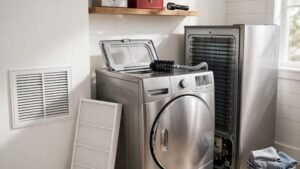
Certain systems need eyes on them every single season, regardless of whether anything seems wrong. Waiting for a visible problem with these systems usually means the damage already happened.
HVAC, Plumbing, and Electrical Checks
Replace HVAC filters every one to three months depending on household size and pets. A neglected filter restricts airflow and forces the system into shorter, harder cycles that wear it out faster.
Check under every sink and around every water heater for slow leaks. A drip that seems minor today is the mold problem or water bill spike three months from now.
Appliances and Dryer Vent Safety
Clean the dryer vent and exhaust duct every season, not just the lint trap after every load. Vent blockages are a documented fire hazard and also make dryers run longer, hotter, and less efficiently.
Check refrigerator coils and clean them of dust buildup. Dirty coils force the compressor to work harder and shorten the appliance’s working life.
Building a Seasonal Maintenance Schedule That Sticks
A checklist only works if it turns into a habit. The homes that stay in the best shape year-round are the ones where seasonal tasks are scheduled in advance, not remembered after something breaks.
Monthly vs Quarterly Task Distribution
Split tasks into monthly quick-checks and quarterly deep tasks. Monthly checks cover filters, detectors, and visible leaks. Quarterly tasks cover gutters, vents, and full-system inspections.
This split keeps any single cleaning session from feeling overwhelming. Small, frequent tasks prevent the buildup that makes seasonal cleaning feel like a massive project twice a year.
Tracking Tools and Reminders
A shared calendar with recurring reminders works better than a paper checklist that gets buried in a drawer. Set reminders a week before each season starts, giving enough lead time to schedule any professional help needed.
Photograph problem areas each season, like the attic insulation or gutter condition. A quick photo comparison makes it obvious when something’s degrading faster than expected.
When to Call a Professional vs DIY

Some seasonal tasks are safe for any homeowner to handle. Others involve real risk, specialized tools, or licensing requirements that make professional help the smarter call every time.
Tasks Safe for Homeowners
Filter changes, light fixture dusting, window washing, and general decluttering are all safe DIY territory. These tasks need consistency more than expertise.
Basic caulking touch-ups and weatherstripping replacement are approachable for most homeowners with a weekend and the right materials.
Tasks That Require Licensed Professionals
Roof inspections above a single story, electrical panel work, and HVAC refrigerant handling all call for licensed professionals. The risk of injury or code violation outweighs any savings from doing it alone.
Dryer vent cleaning through long or wall-routed duct runs, chimney inspections, and any structural gutter repair are worth the professional fee. We connect homeowners with vetted pros for exactly this kind of seasonal work, so nothing critical gets missed.
Conclusion
Seasonal cleaning protects the systems, surfaces, and air quality that keep a property safe and functional year-round. Spring resets the home after winter, fall seals it against the cold, and holiday prep gets it guest-ready fast.
The properties that hold their value best are maintained on a schedule, not in reaction to a problem. Small, consistent seasonal tasks prevent the expensive repairs that come from neglect.
We help homeowners handle the seasonal tasks that need a licensed professional, from dryer vent cleaning to roof inspections. Reach out to Mr. Local Services to build a maintenance plan that keeps your property in top shape all year.
Frequently Asked Questions
How often should gutters be cleaned each year?
Gutters need cleaning at least twice a year, once in spring and once in fall. Homes with heavy tree coverage often need a mid-season check too.
What’s the difference between spring and fall cleaning?
Spring cleaning resets a home after winter and focuses on deep interior cleaning and inspecting winter damage. Fall cleaning seals the home against cold and focuses on weatherproofing and freeze prevention.
How often should dryer vents be cleaned?
Dryer vents need cleaning at least once a year, ideally every season for households that do frequent laundry. Neglected vents are a documented fire hazard tied to lint buildup.
When should HVAC filters be replaced?
HVAC filters need replacement every one to three months, depending on household size and pets. A dirty filter restricts airflow and shortens the system’s working life.
What should be done before holiday guests arrive?
Focus cleaning on entryways, living areas, dining rooms, and guest bathrooms about a week before guests arrive. Test outdoor lighting and clear walkways to prevent safety hazards during gatherings.
Is seasonal cleaning necessary for a newer home?
Newer homes still need seasonal cleaning because weather-driven wear affects gutters, HVAC systems, and vents regardless of a home’s age. Skipping upkeep on a new home just delays problems; it doesn’t prevent them.
What seasonal tasks require a licensed professional?
Roof inspections, electrical panel work, HVAC refrigerant handling, and structural gutter repairs all call for licensed professionals. These tasks carry real safety and code risks that outweigh any DIY savings.
How can homeowners keep a seasonal schedule consistent?
A shared digital calendar with recurring reminders works better than a paper checklist. Splitting tasks into monthly quick-checks and quarterly deep tasks keeps the routine manageable.